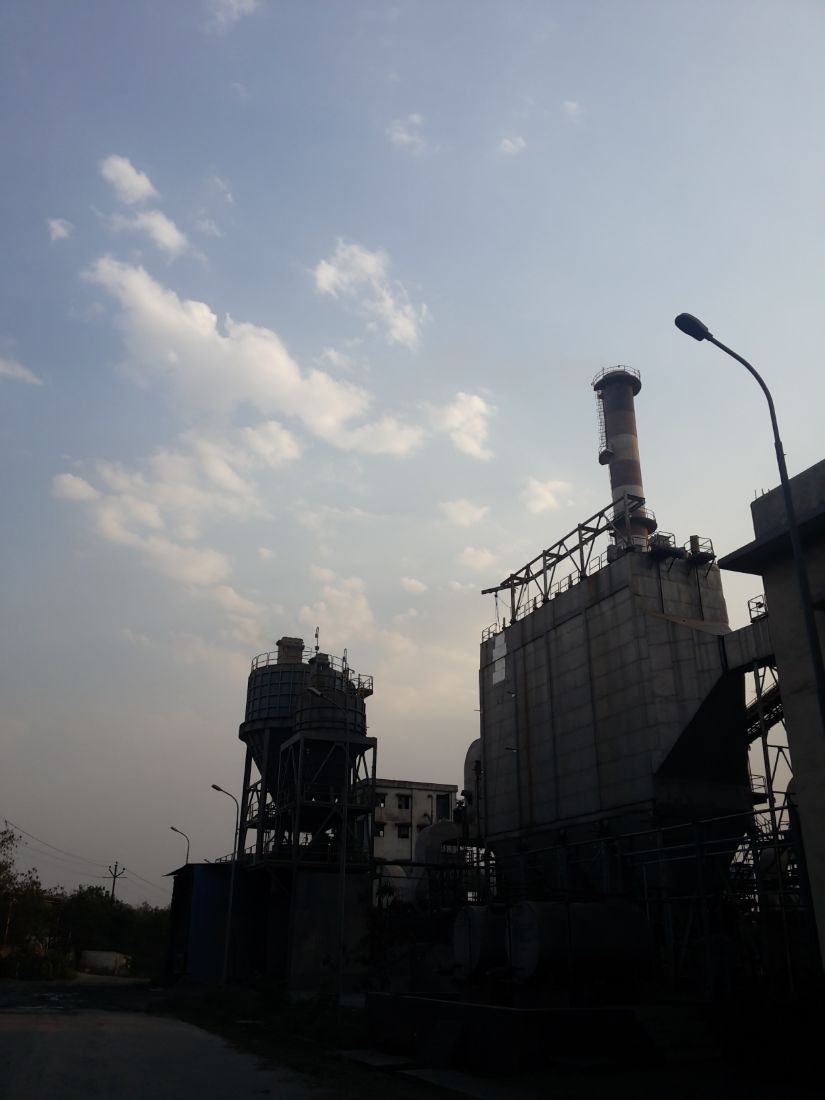
Is Your Existing ESP Falling Short of Today's Emission Requirements?
Many older installations were designed around emission requirements applicable at the time of installation. Today's plant-specific emission limits, regulatory requirements and operating targets can be significantly more demanding.
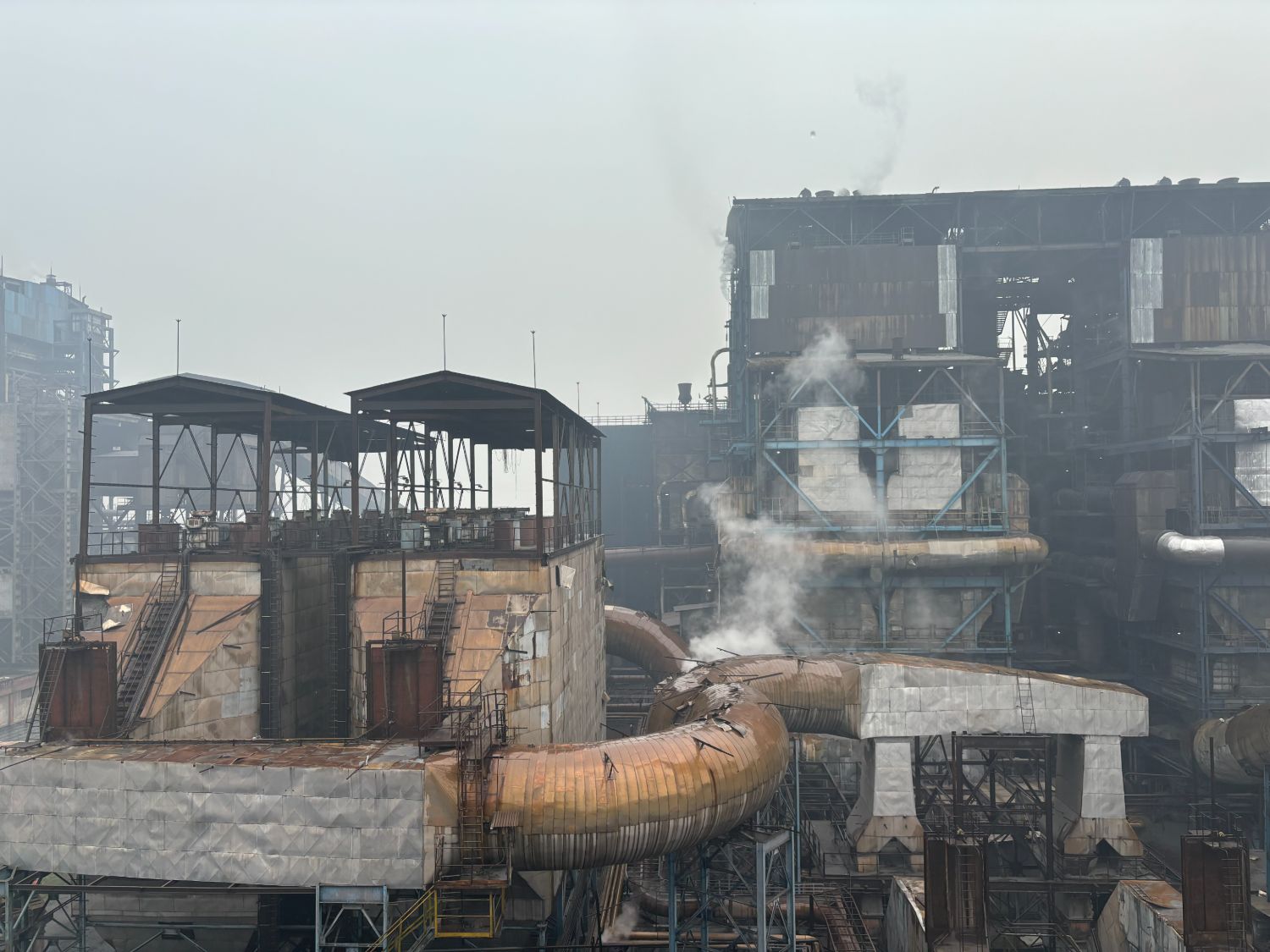
Before Rebuilding the ESP — Check the Electrical System
An ESP's performance is influenced not only by its mechanical configuration but also by the quality and control of the electrical energy delivered to the treatment fields.
In suitable installations, modernization of the power supply and control system may provide a practical route to improving ESP electrical energization without immediately undertaking major mechanical modifications.
The achievable improvement depends on the existing ESP design, mechanical condition, process conditions, dust characteristics, gas flow, electrical performance and applicable emission requirements. A site-specific assessment is required before recommending a retrofit.
Five steps, in that order.
The sequence matters more than any individual step. A retrofit scope written before the diagnosis is a guess with a price attached.
Assess
Understand the existing ESP.
Diagnose
Identify the actual performance limitation.
Engineer
Develop the most appropriate intervention.
Implement
Execute the selected retrofit with minimum disruption wherever practical — sequenced against the plant's shutdown window rather than ours.
Verify
Evaluate operating performance and support performance testing — so the intervention is judged on measurement, not assertion.
We begin with diagnosis, not a replacement proposal.
Four domains are examined together. Read separately they mislead — a low secondary voltage means one thing on a clean field and quite another where the dust layer is not being released.
Electrical Assessment
Mechanical Assessment
Process Assessment
Emission Assessment
Not Every ESP Needs a Mechanical Rebuild
Answer the four questions as they apply to your installation. The path below narrows to the least-invasive intervention the answers justify.
The cheapest intervention is often the control system.
Ageing control panels can limit the operating performance of otherwise mechanically sound ESPs. Where the transformer rectifier is healthy, replacing the controller alone can change what the field is able to hold — at a fraction of the cost and downtime of a set replacement.
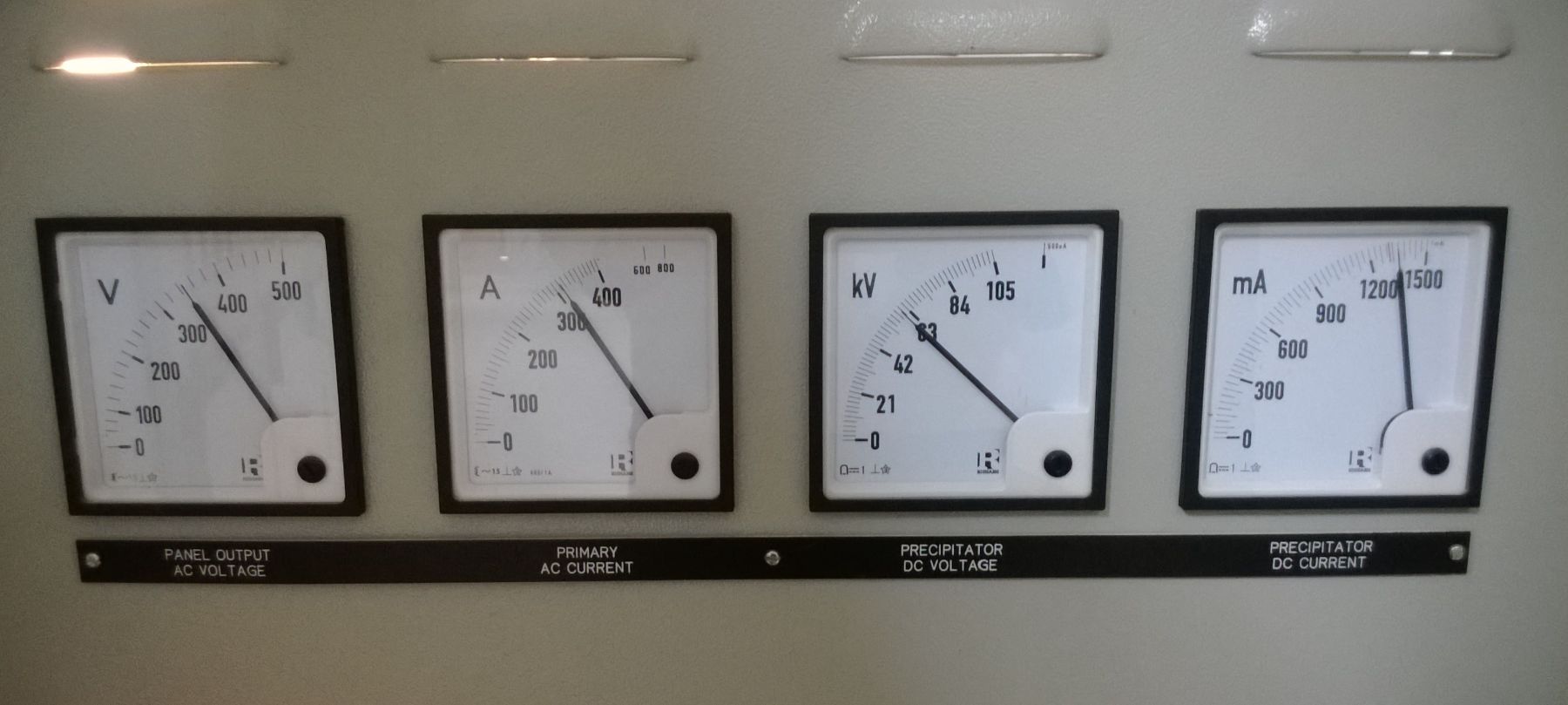
Driving optimum power into the system to maximise dust collection
Potential Functions
Function availability varies by controller and by scope. Not all functions are included in every controller — the specification is confirmed against the field arrangement, the existing TR and the plant's monitoring requirement.
Three-Phase Power Upgrade
Three-phase power-supply arrangements can be considered for ESP fields where the existing electrical configuration or operating performance makes such an upgrade technically appropriate.
Because all three phases are controlled and rectified, the field sees a smoother waveform and a symmetrical load is presented to the incoming supply — which matters on sites where a bank of single-phase sets has produced persistent phase imbalance.
The suitability and expected benefit of a three-phase upgrade must be established through an electrical and ESP performance assessment. Three-phase energization is not automatically superior for every ESP.
Potential Advantages
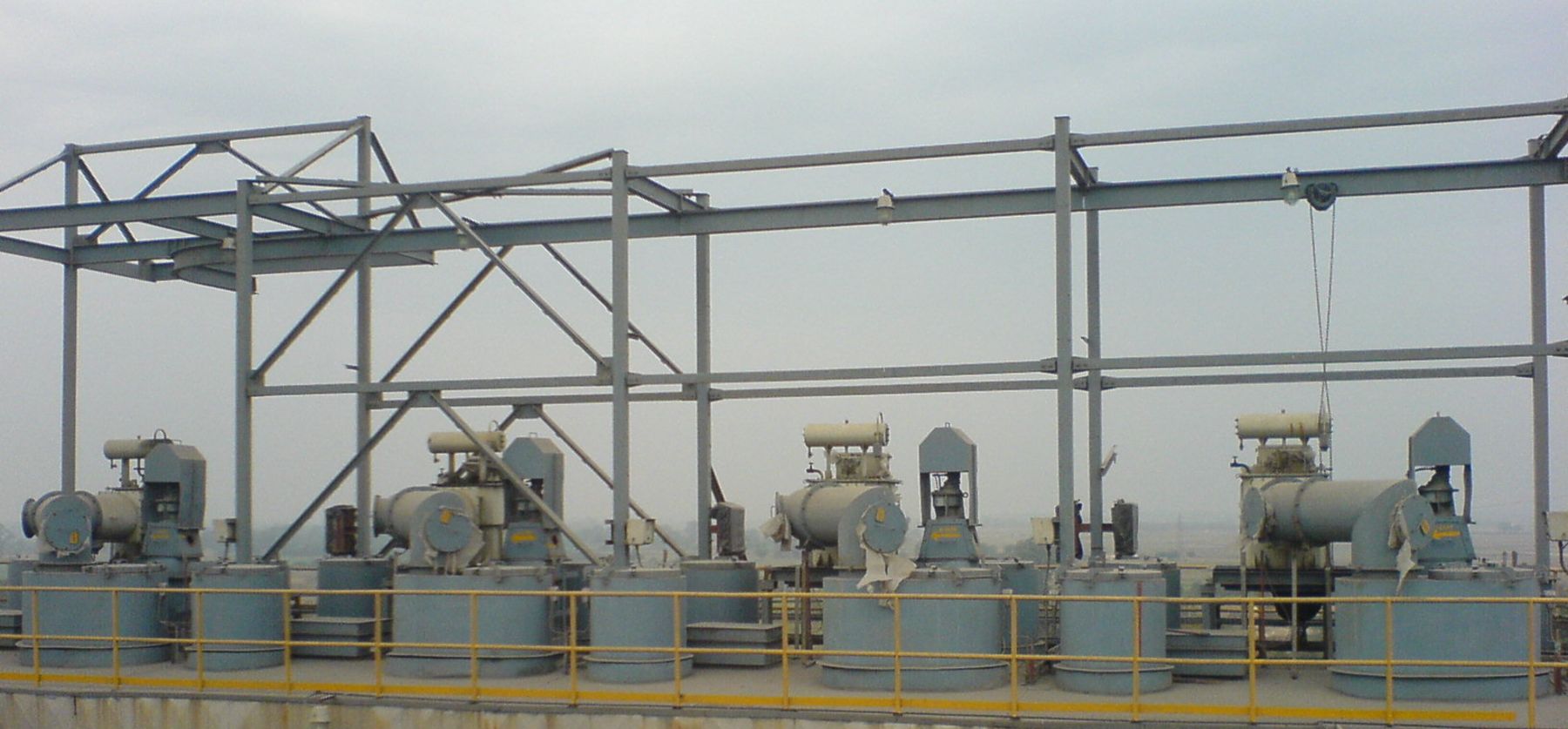
Field-by-field power supply on an ESP roof
The waveform is the whole argument.
Conventional ESP power supplies operate at mains frequency, whereas high-frequency power-supply technologies can deliver a different electrical waveform with reduced ripple and more responsive control. Because peak voltage — not average — sets the sparking threshold, ripple is what limits the average voltage a field can hold.
Schematic illustration of waveform character only. No specific switching frequency, ripple percentage or performance figure is represented — those depend on the equipment supplied and are confirmed against its documentation.
Can We Improve ESP Performance Without Major Mechanical Modification?
In suitable cases — yes.
Where the existing ESP mechanical structure, electrode geometry, gas distribution and rapping system remain fundamentally serviceable, electrical modernization can be evaluated before considering major mechanical reconstruction.
Depending on the condition of the existing system, solutions may include modern controls, three-phase power conversion, high-frequency power supplies or a combination of electrical and targeted mechanical improvements.
Every ESP is different. Aeon recommends a technical assessment before determining whether electrical retrofit alone is sufficient.
Upgrade the Control System — Retain the Existing TR Where Feasible
In certain retrofit architectures, the existing transformer-rectifier may potentially be retained while the control system is modernized. This is an assessment-based retrofit option, not a universal solution.
Suitability depends on
Each of these is checked before the architecture is proposed. Any one of them can rule the approach out.
Where improved energization is the objective.
High-frequency systems can be considered where improved electrical energization is required and the existing mechanical ESP remains suitable.
Because switching occurs far above mains frequency, spark response is measured in microseconds rather than milliseconds — which is what makes intermittent and pulsed energization genuinely controllable on high-resistivity dust.
Benefits below are stated as potential outcomes, subject to site conditions. No guaranteed emission reduction percentage is offered — the achievable result depends on the existing ESP and the process it serves.
Potential Benefits
Electrical modernization does not solve everything.
Mechanical intervention may be required where inspection identifies conditions that no amount of energization will compensate for. A field with distorted plates or a rapping system that is not releasing the dust layer will not be rescued by a better controller.
Aeon's approach is to identify the minimum intervention necessary to achieve the required performance — rather than automatically recommending a complete ESP rebuild.
Replace the components that are limiting performance.
Each item below is supplied against the existing ESP's geometry and arrangement. Follow the links for the technical detail on each.
Electrical & Mechanical Health Check
Tick what you already have data for. What remains unticked is usually where the diagnosis starts — and the list doubles as the scope of a site health check.
Nine services, one accountable scope.
Diagnostic Studies
Detailed evaluation of electrical, mechanical and process conditions.
Troubleshooting
Identification of causes of poor ESP performance.
Electrical Optimization
Optimization of TR and control parameters.
Control Retrofit
Modernization of obsolete control systems.
HF Power Upgrade
Evaluation and implementation of high-frequency solutions.
Three-Phase Conversion
Assessment of three-phase power-supply options.
Mechanical Refurbishment
Targeted replacement of failed or worn components.
Commissioning
Testing and commissioning after retrofit.
Performance Verification
Support during performance testing and evaluation.
The performance gap, stated honestly.
Many older ESP installations were designed and commissioned under emission requirements that were applicable at the time. As environmental requirements, consent conditions and plant-specific emission targets become more stringent, operators may need to improve the performance of existing ESPs.
*Illustrative values only. Actual applicable emission limits and targets depend on the plant, applicable regulations, consent conditions and project requirements.
Five patterns we see repeatedly.
These are illustrative combinations, presented to show how the diagnosis maps to a scope — not accounts of specific projects.
What changes on the panel.
Characteristics of a modernized electrical system. No guaranteed emission reduction is implied — the achievable result depends on the existing ESP, the process and the applicable requirement.
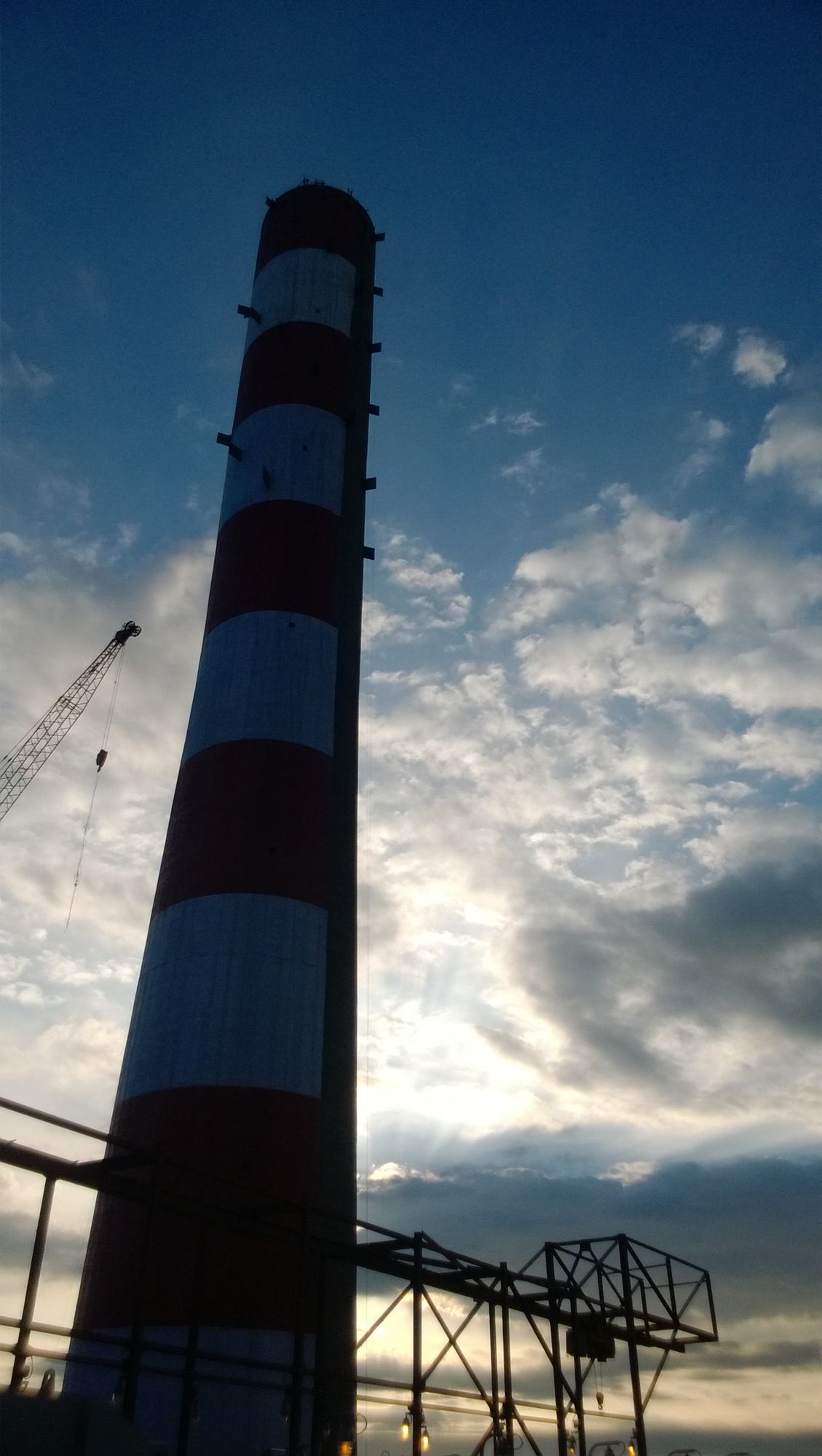
The only result the plant sees.
Everything upstream — the controller, the feedback path, the power supply, the rapping and the internals — is judged on what leaves the stack. Where a retrofit is the right intervention, this is what it is bought for; where it is not, we say so before the work is committed.
Upgrade Smart. Replace Only What Is Necessary.
Aeon Tech Solutions follows an assessment-based retrofit philosophy: understand the existing equipment, identify the actual limitation and recommend the least-invasive technically appropriate intervention.
Where the mechanical ESP remains serviceable, electrical and control modernization may provide an alternative to a major mechanical rebuild.
Start with the least-invasive solution — move higher only when the assessment justifies it.
Work carried out at the plant.
Available as standalone assignments or alongside a supply scope, during operation or within a planned shutdown window.
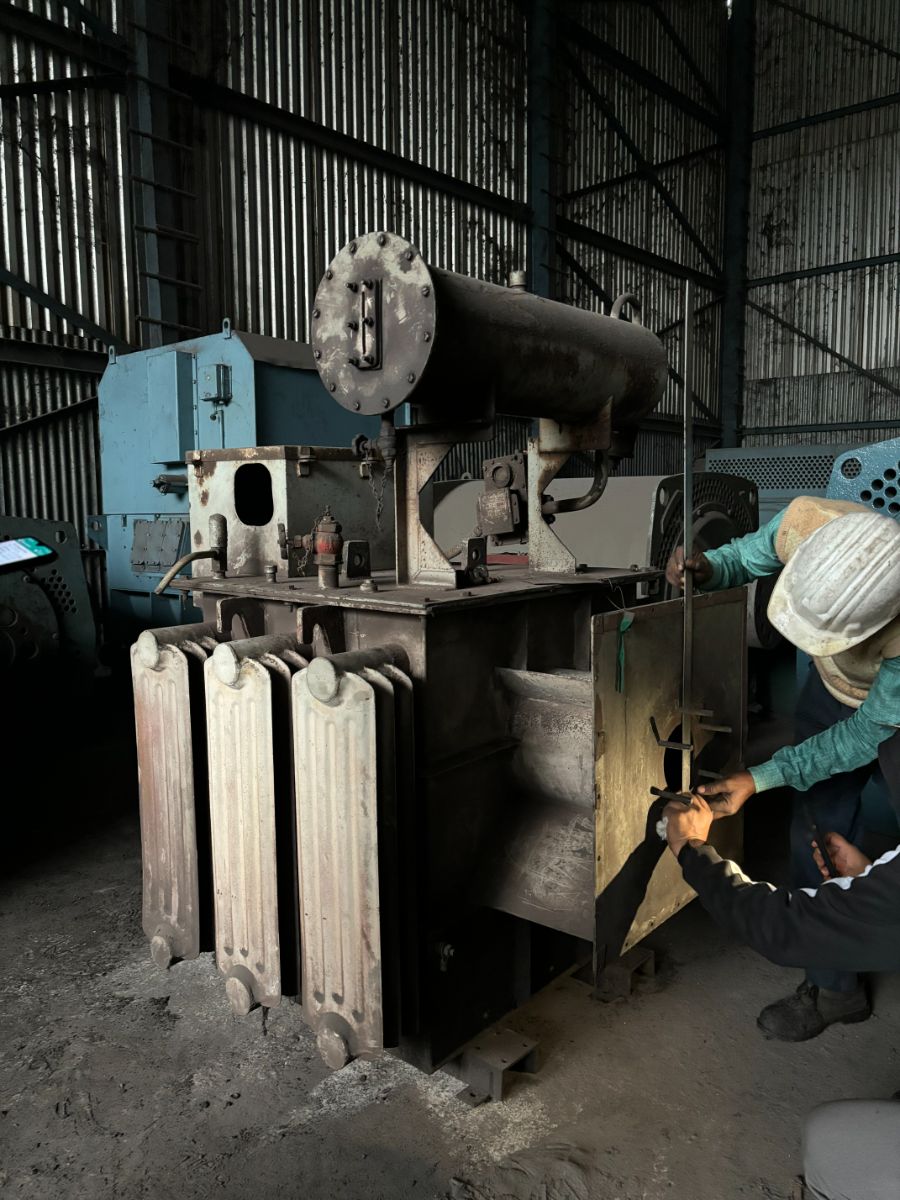
TR set component work in a shutdown window
Electrical & Instrumentation ServicesE&I Services
Start from the symptom.
The areas listed under each symptom are possible diagnostic areas, not fault diagnoses. Which one applies is established by measurement on the installation.
High Emissions
Possible areasLow Secondary Voltage
Possible areasHigh Spark Rate
Possible areasLow Power Input
Possible areasLet the ESP Data Tell Us Where the Problem Is
The V–I characteristic is the single most informative record a field produces. Its shape distinguishes a mechanical clearance problem from a resistivity problem from a controller problem — before anyone opens the casing.
What We Ask For
Performance Testing & Verification
Emission levels are not guaranteed unless contractually agreed for a defined scope and set of operating conditions.
From Diagnosis to Performance
Existing condition, and what it usually points to.
What the retrofit is built from.
Industries we retrofit in.
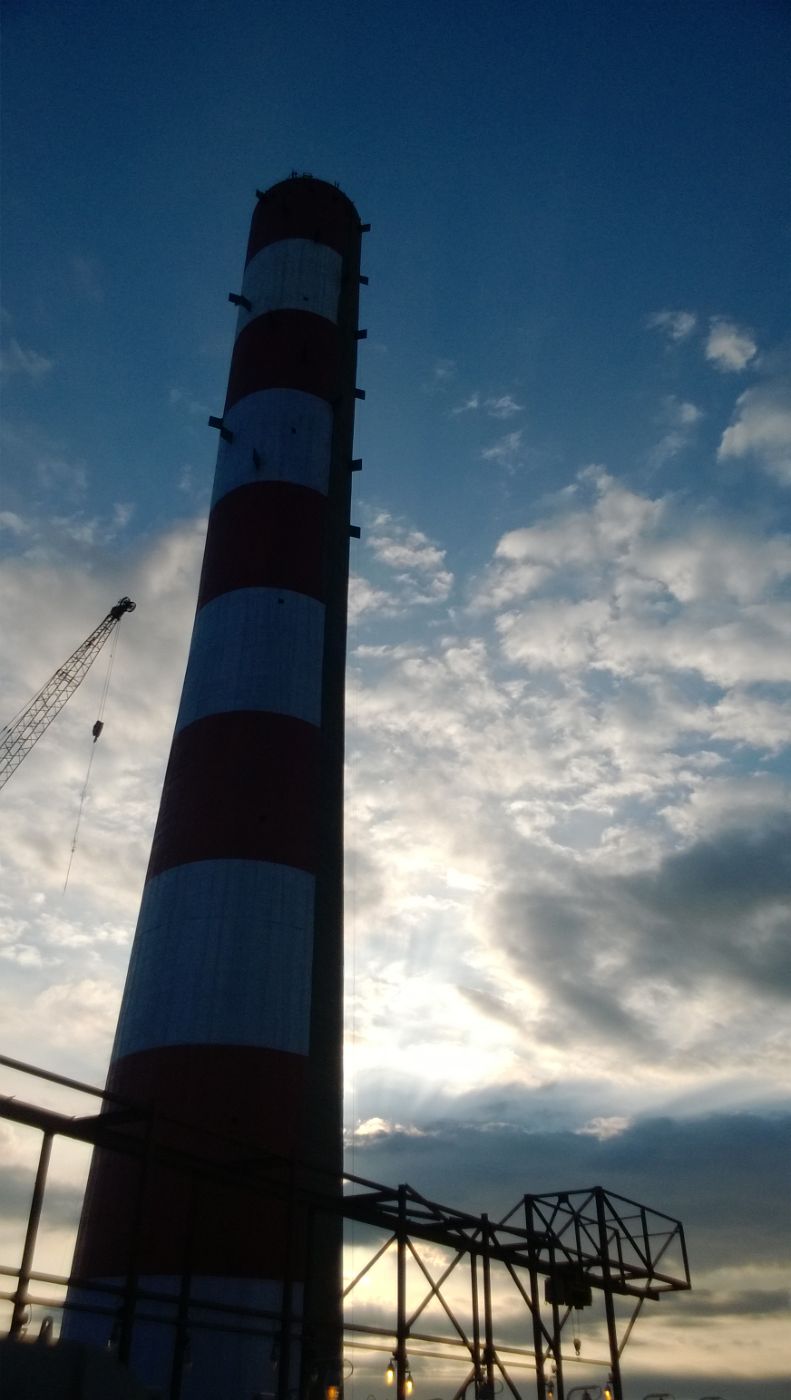
Is Your Existing ESP Struggling to Meet Its Emission Target?
Before investing in a major mechanical rebuild, let us assess the electrical, mechanical and process condition of your ESP.
ESP Assessment Form
Complete what you have. Partial information is useful — an ESP age, a controller photograph and a recent stack figure are often enough to start.
01 — ContactThank you — your ESP details are with our engineering team.
We will review the information provided and come back with the questions needed to complete an assessment. If you have drawings, nameplate photographs or V–I curves still to send, they can follow by email.
Your ESP May Have More Life Left Than You Think.
Before committing to a major mechanical rebuild, let Aeon Tech Solutions assess the electrical, mechanical and process condition of your existing ESP and identify opportunities for targeted modernization and performance enhancement.