Four engineering verticals. One point of accountability.
We work on equipment we understand — its application, its failure modes and the operating environment it sits in.
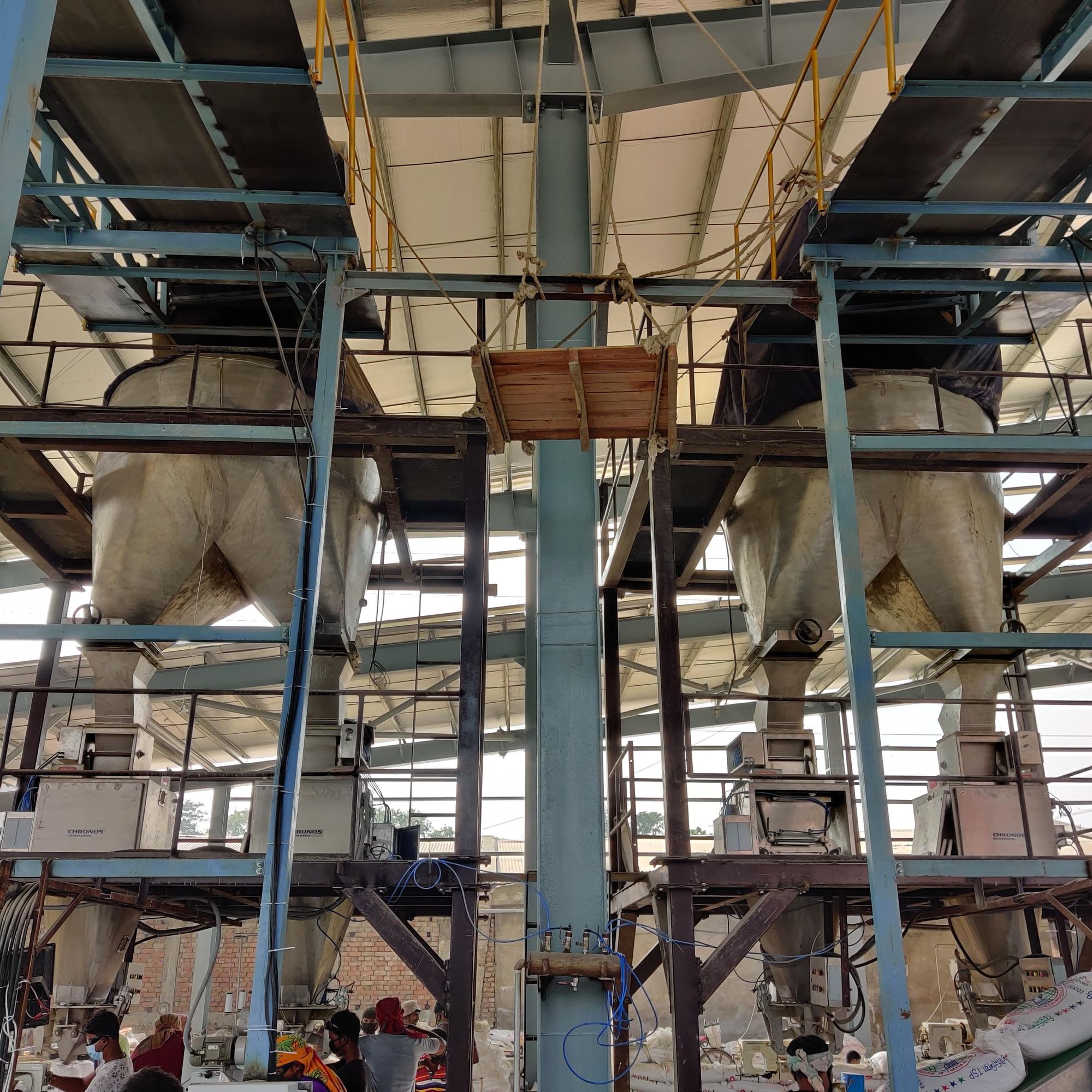
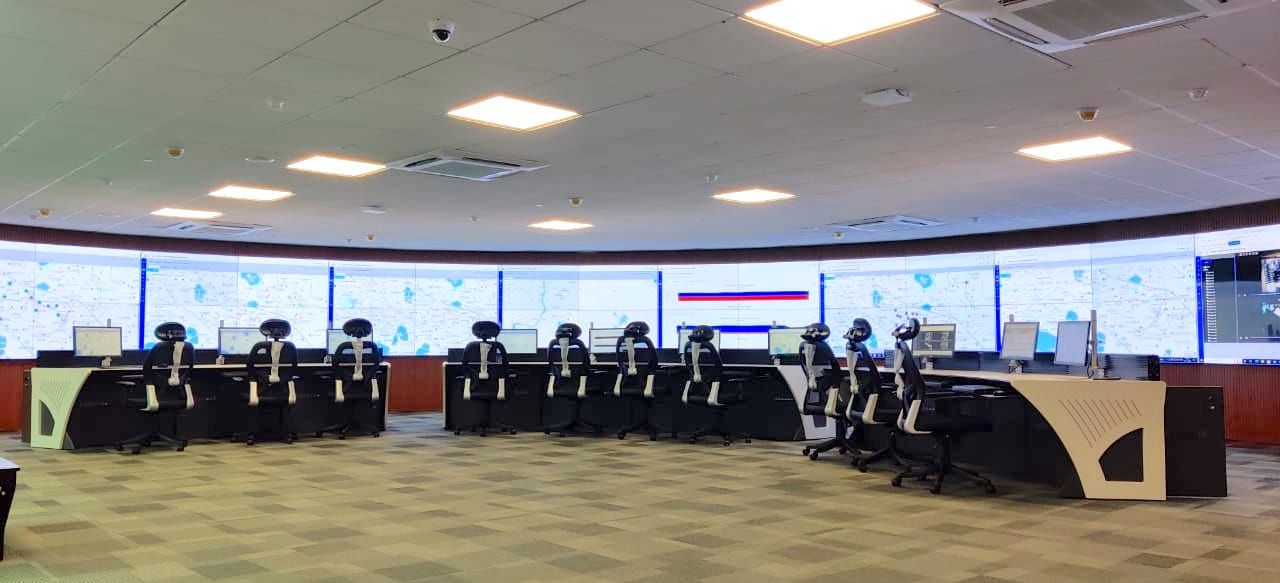
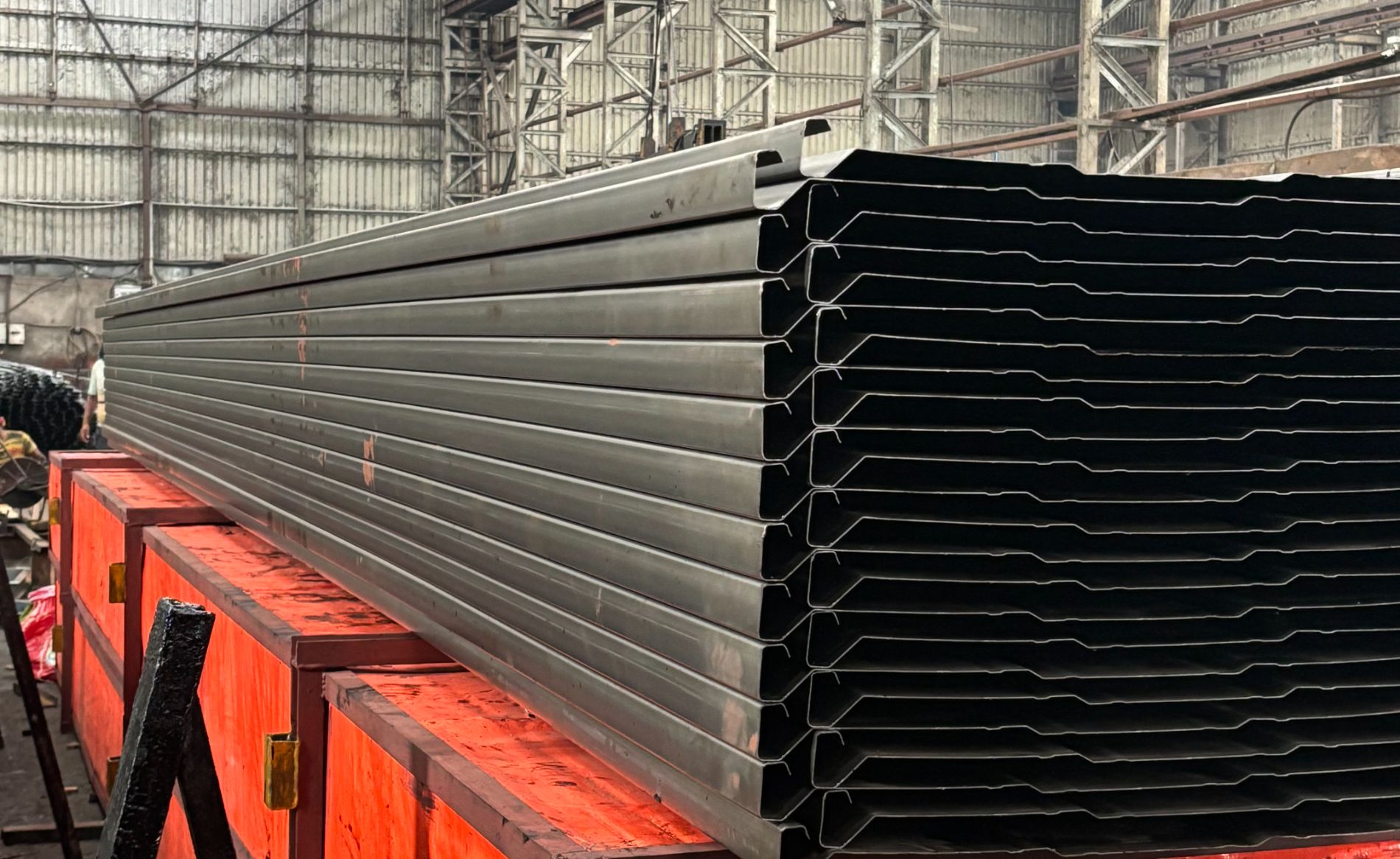
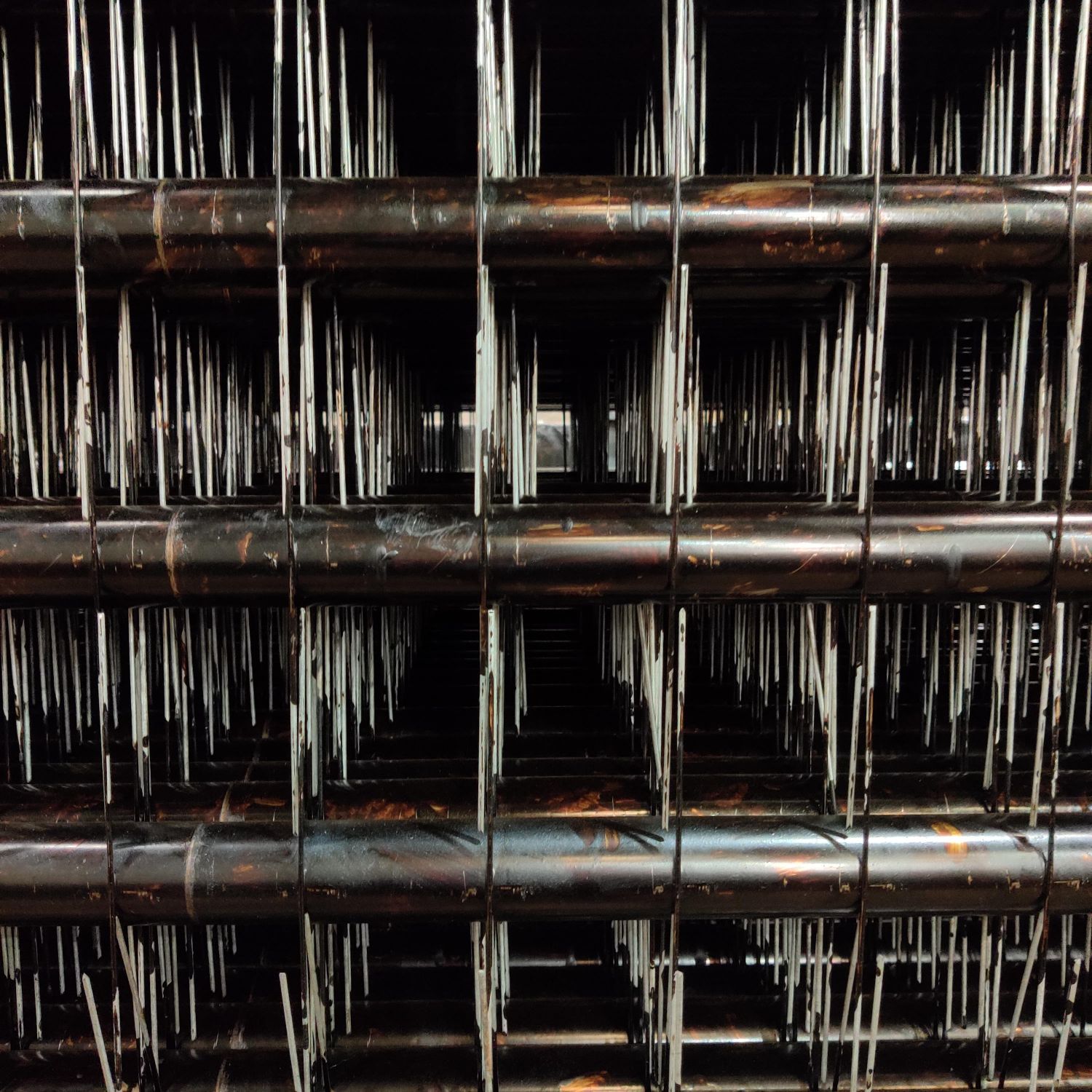
Components and equipment we supply.
How Does an Electrostatic Precipitator Work?
An ESP removes particulate electrically, not mechanically. The sequence below follows one pass of process gas through a precipitator: dust-laden gas entering the inlet, the discharge electrodes energised by the TR set, corona charging of the dust, migration of the charged particles across the gas lane, collection on the plates, the rapping cycle releasing the dust layer, dust falling into the hoppers, and cleaned gas leaving for the stack.
Collection efficiency depends on field strength, electrode condition, gas distribution and a rapping cycle that actually releases the dust layer. Worn discharge electrodes, distorted collecting plates, failed rappers and obsolete controls all show up the same way — as a rising stack reading. Aeon Tech Solutions works on all four.
Explore Our ESP Solutions →Keeping Your ESP Performing. Keeping Your Plant Moving.
Most ESPs in service today were installed decades ago and are still expected to meet emission limits that have tightened since. Aeon Tech Solutions supports those installations with the critical spares, mechanical components, electrical systems and controls they need — and with the engineering judgement to decide what actually needs replacing.
We support both ends of the scale: a single replacement component against a drawing, and a complete technical intervention — inspection, retrofit, optimisation and re-commissioning — handled by the same team.
ESP Mechanical Spares
Collecting electrodes, discharge electrodes and ESP internals, manufactured to the profile and arrangement of the installed unit.
ESP Electrical & Controls
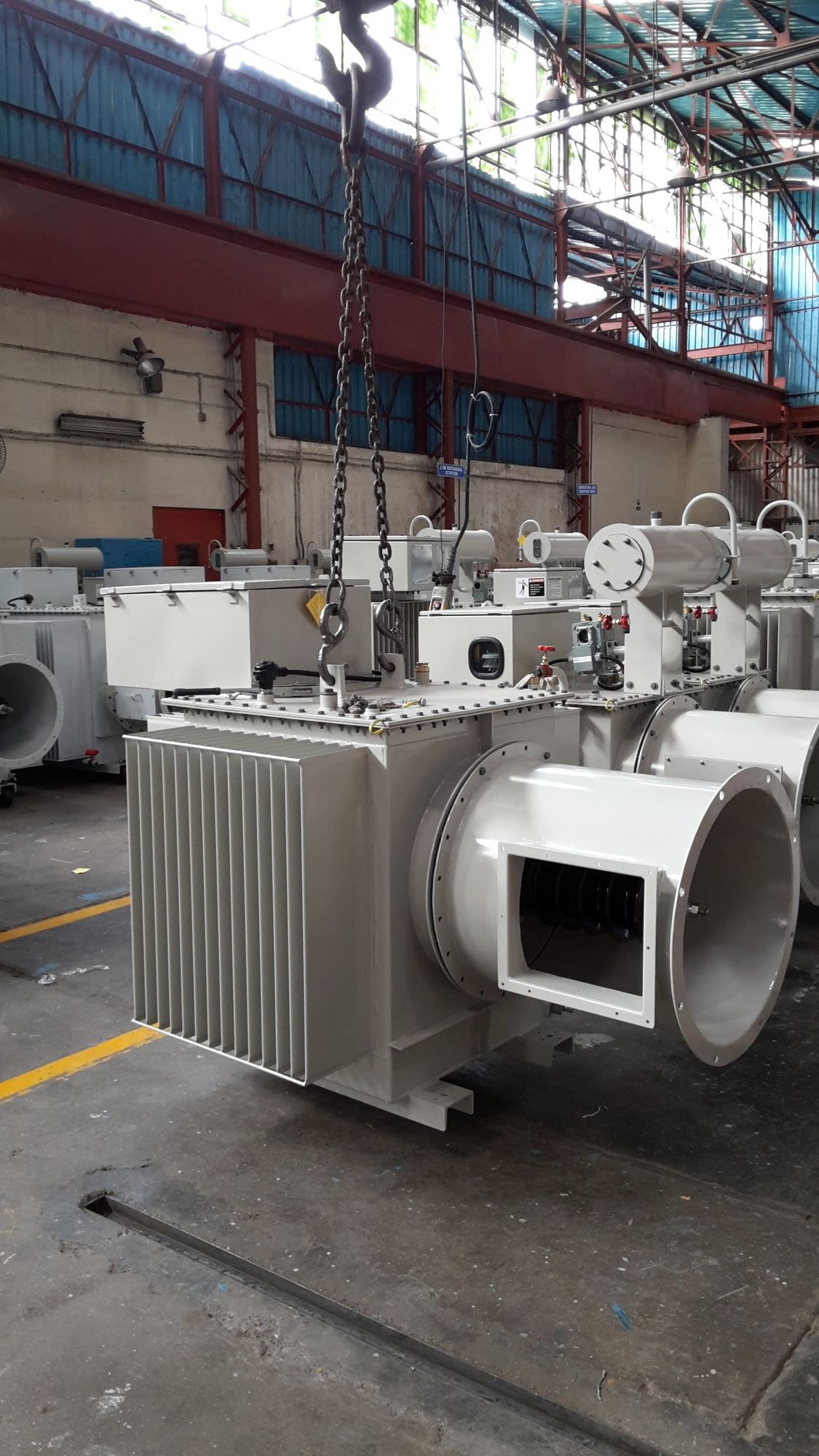
Transformer rectifier sets, ESP controllers, control panels, high frequency and three-phase power supplies, instrumentation, insulators and rapping system components.
Inspection & Optimisation
ESP inspection, performance assessment, troubleshooting, optimisation, commissioning support and technical consultancy.
Retrofit & Upgradation
Control system retrofit, field upgrades and component modernisation that extend the useful life of an existing installation.
Start from the symptom you are seeing.
Most ESP enquiries begin with an observation on the plant, not a part number. Tell us what you are seeing and we will work back to the component or the intervention.
Don't know the exact part number? Send us a photograph, drawing or existing specification.
Send Technical Requirement →Don't know the exact part number?
Send us a photograph, drawing, old datasheet or equipment detail. Our engineering team can help identify the requirement.
Heavy process industry, in India and internationally.
Engineered in India. Supplied where the plant is.
ESP spares and components are manufactured to the installed profile and crated for despatch to site, so an enquiry from outside India is handled the same way as a domestic shutdown requirement — against drawings, not a catalogue. The countries marked below are those we have supplied to.
The countries listed are those we have supplied to. Enquiries from any other location are equally welcome and handled the same way.
Send an Enquiry →We understand the equipment, not just the part number.
Engineering Understanding
We work from the field arrangement, electrode profile, rapping layout and gas conditions — so a spare is specified against the ESP it belongs to, not a generic part list.
OEM-Alternative Sourcing
Components for installations whose original supplier no longer supports them, manufactured to the installed profile and dimensions.
Retrofit Capability
Control system replacement, power supply upgrades and field-by-field internals renewal that extend the life of a sound casing.
Technical Support
Inspection, performance assessment, troubleshooting and optimisation — during operation or inside a planned shutdown window.
Multi-Discipline Capability
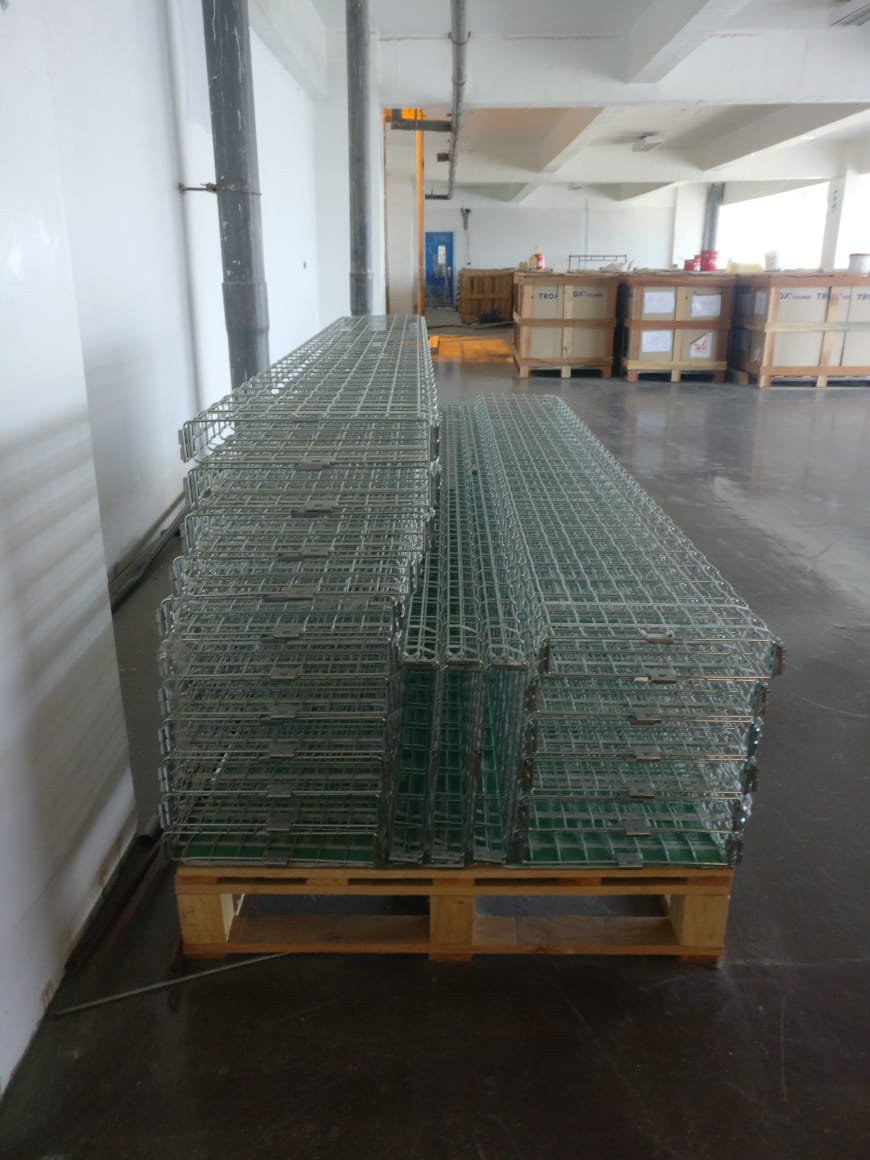
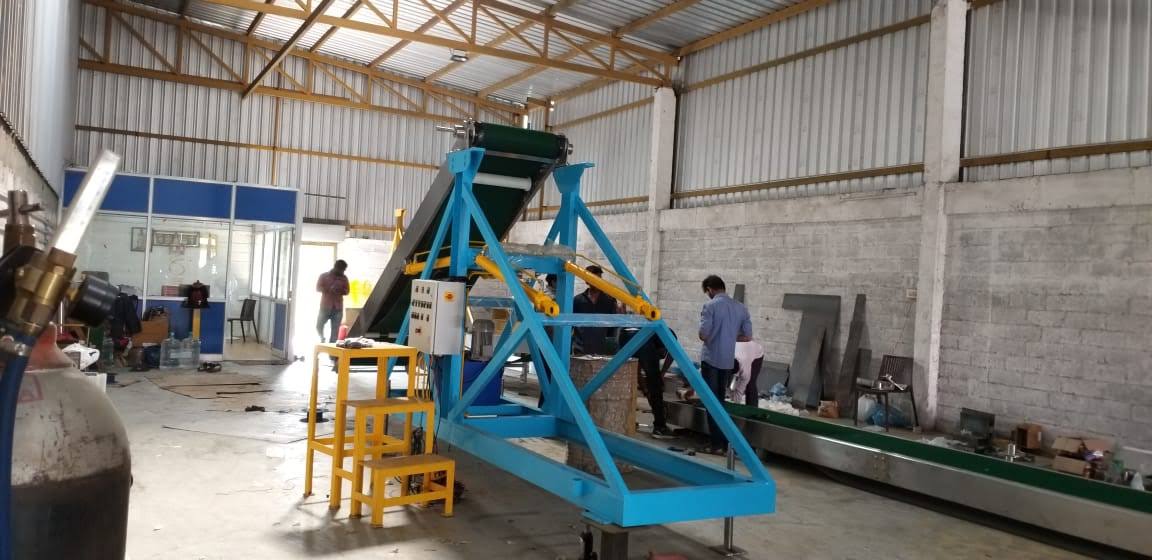
ESP mechanical and electrical scope, plus cable management and bulk material handling, under one point of accountability.
Responsive Spares
Shutdown-driven and breakdown requirements handled against drawings, photographs or a nameplate when no documentation survives.
Specialists in electrostatic precipitators — mechanical internals, electricals and controls.
Cement, steel, power, non-ferrous, mining, chemical and allied process plants.
Supplied to plants across fifteen countries from our base in Kolkata, India.
Electrodes and rapping through to TR sets, controllers and power supply retrofit.