Rapping energy delivered from outside the gas stream.
MIGI stands for Magnetic Impulse Gravity Impact — the two forces the rapper uses in sequence.
A Magnetic Impulse Gravity Impact rapper uses an electromagnetic impulse to lift a plunger and gravity to return it, producing a mechanical impact that is transmitted to the relevant ESP electrode or frame structure to dislodge accumulated dust. The coil sits on the ESP roof; only the impact member reaches into the casing.
Because of that arrangement there is no rotating shaft, bearing or hammer inside the hot, dust-laden gas — the components most exposed to wear in a tumbling hammer arrangement.
Rapping intensity follows the energy in the pulse and the frequency follows the rapper control panel, so each row can be tuned independently — inlet fields, where dust load is heaviest, differently from outlet fields, where over-rapping causes re-entrainment.
The MIGI Rapping Cycle
Six stages, from coil energisation to dust release. Step through them, or let the cycle run.
ESP MIGI Rapper Coils
The coil is the electromagnetic element responsible for generating the lifting impulse in a MIGI rapper. Everything else in the assembly either guides the plunger or transmits the blow — the coil is what turns a control pulse into mechanical work.
Precision-Wound Electromagnetic Coil
Reliable coil operation depends on controlled winding, suitable electrical insulation, thermal behaviour and protection from the operating environment. A rapper coil is energised repeatedly, all day, for years — so consistency of winding and the integrity of the insulation system decide service life more than any single rating does.
Copper winding and insulation system can be selected according to the required electrical and environmental conditions.
Class-F insulation systems may be specified where required by the application. Winding, insulation and impregnation details are as per product specification and customer/OEM requirements.
Protective Housing
MIGI rapper coils are typically installed on the ESP roof, in industrial environments where protection may be required against:
The housing can be designed and sealed according to the installation environment. Protection classification is as per specification — no rating is claimed here.
MIGI Plunger / Piston Assembly
The plunger is the moving element of the MIGI rapper. It is magnetically lifted when the coil is energized and returns under gravity after the energizing pulse, producing the mechanical impact.
Actual configuration may vary according to ESP/OEM design.
MIGI or tumbling hammer?
Both arrangements are in wide service and both work. The difference is where the mechanism sits and how finely the rapping can be tuned.
We supply and support both. If you are deciding between them for a retrofit, send us the existing arrangement and the emission problem you are trying to solve.
Coils are selected against the installation, not a catalogue number.
MIGI rapper coils are supplied in different configurations depending on the ESP design and rapping requirement. The four variables below define a coil — send us what you know and we work back to the rest.
Operating Voltage
Coil voltage as required by the existing rapper control panel and system design.
Coil Resistance
Winding resistance to match the control panel output characteristics and the existing coils in the row.
Mechanical Configuration
Mounting arrangement, overall dimensions and terminal orientation to suit the existing ESP roof interface.
Application Duty
Collecting electrode rapping, discharge electrode rapping or gas distribution screen rapping.
Collecting and discharge electrodes are rapped differently.
Both duties use the same operating principle, but the load they strike and the consequence of getting the intensity wrong are not the same. This is why rapper rows are grouped and controlled separately.
Collecting Electrode Rapping
The impact is transmitted to the collecting plate assembly to release the accumulated dust layer as agglomerated sheets that fall into the hopper.
Too little energy leaves the layer in place and reduces field strength. Too much re-entrains the dust into the gas stream — which shows at the stack.
Discharge Electrode Rapping
The impact is transmitted through the high-voltage frame to keep the emitting surfaces clean, so corona generation is not suppressed by dust build-up on the electrodes themselves.
The rapper must act on a live HV assembly, so the insulating element in the load path is part of the arrangement, not an accessory.
Gas Distribution Screen Rapping
Keeps the inlet and outlet distribution screens clear so gas velocity stays even across the full ESP cross-section.
Blinded screens distort flow distribution — a common and frequently missed cause of underperformance.
The coil is one link in the rapping chain.
A coil that tests healthy can still fail to rap if the panel, timing or cabling upstream is at fault. When you report a rapping problem we work along the whole chain rather than replacing coils on suspicion.
Rapper control panels and their retrofit are covered under ESP electricals and controls. Where a rapping fault is upstream of the coil, that is where we start.
Coils supplied against the rapper, not the part number.
ESP-specific understanding
We work on precipitators, so a coil enquiry is treated as a rapping question — which field, which duty, what the plant is actually seeing.
Works from what you have
An old coil, a nameplate photograph or a panel drawing is enough to start. No part number required.
Row-consistent supply
Replacement coils are matched to the coils already in the row, so rapping stays uniform across the field.
Whole-chain diagnosis
Panel, timing, cabling and coil are checked together, so you are not replacing coils to fix a control fault.
Shutdown-aware
Rapper work usually sits inside a shutdown window. Requirements are handled against that window, not in isolation.
Multi-discipline capability
Coils, internals, electrodes, insulators and controls come from one point of accountability.
Complete rappers, or the one part that failed.
Supplied against your existing rapper make and model, the roof arrangement drawing, or a photograph of the nameplate.
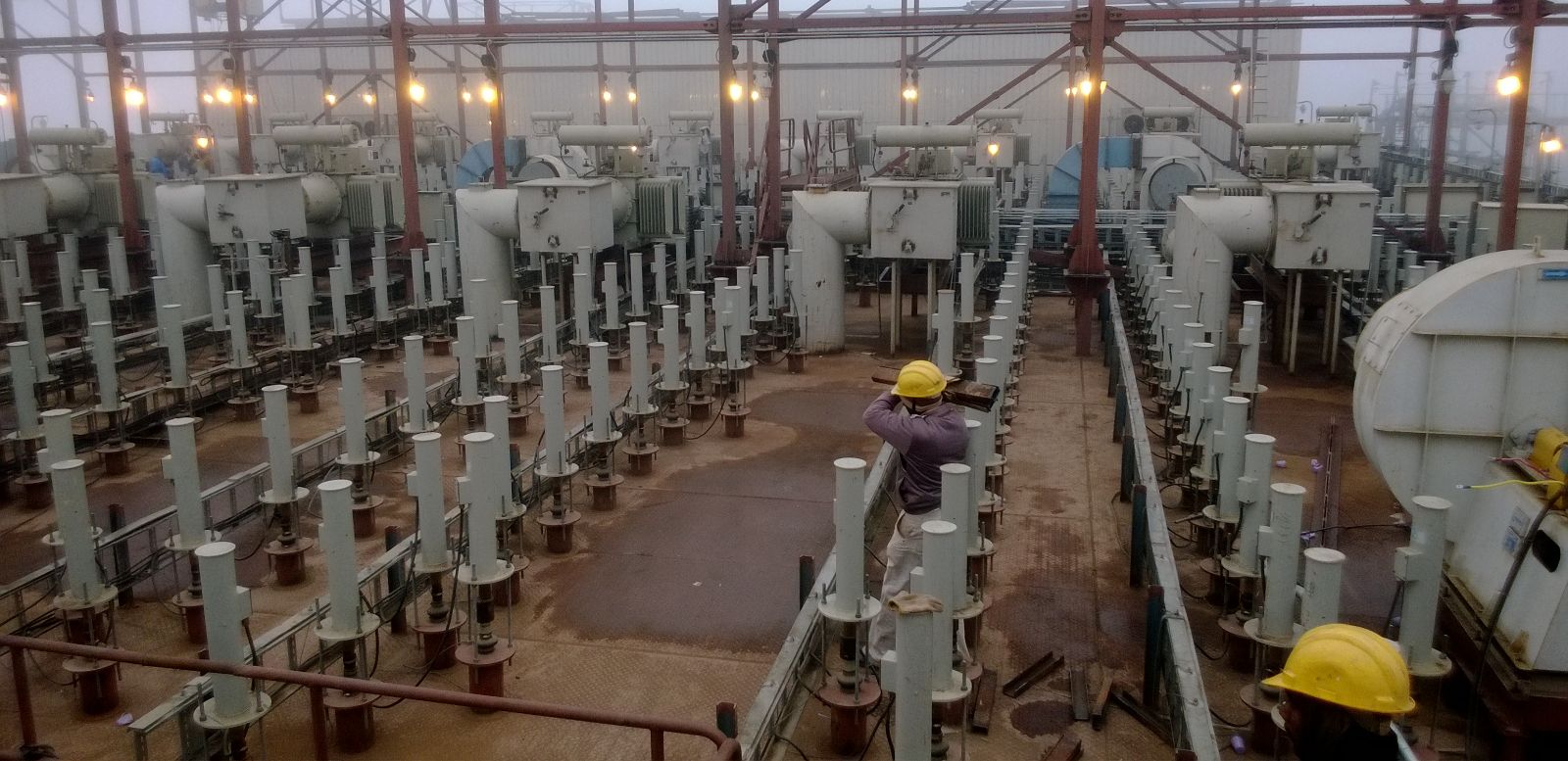
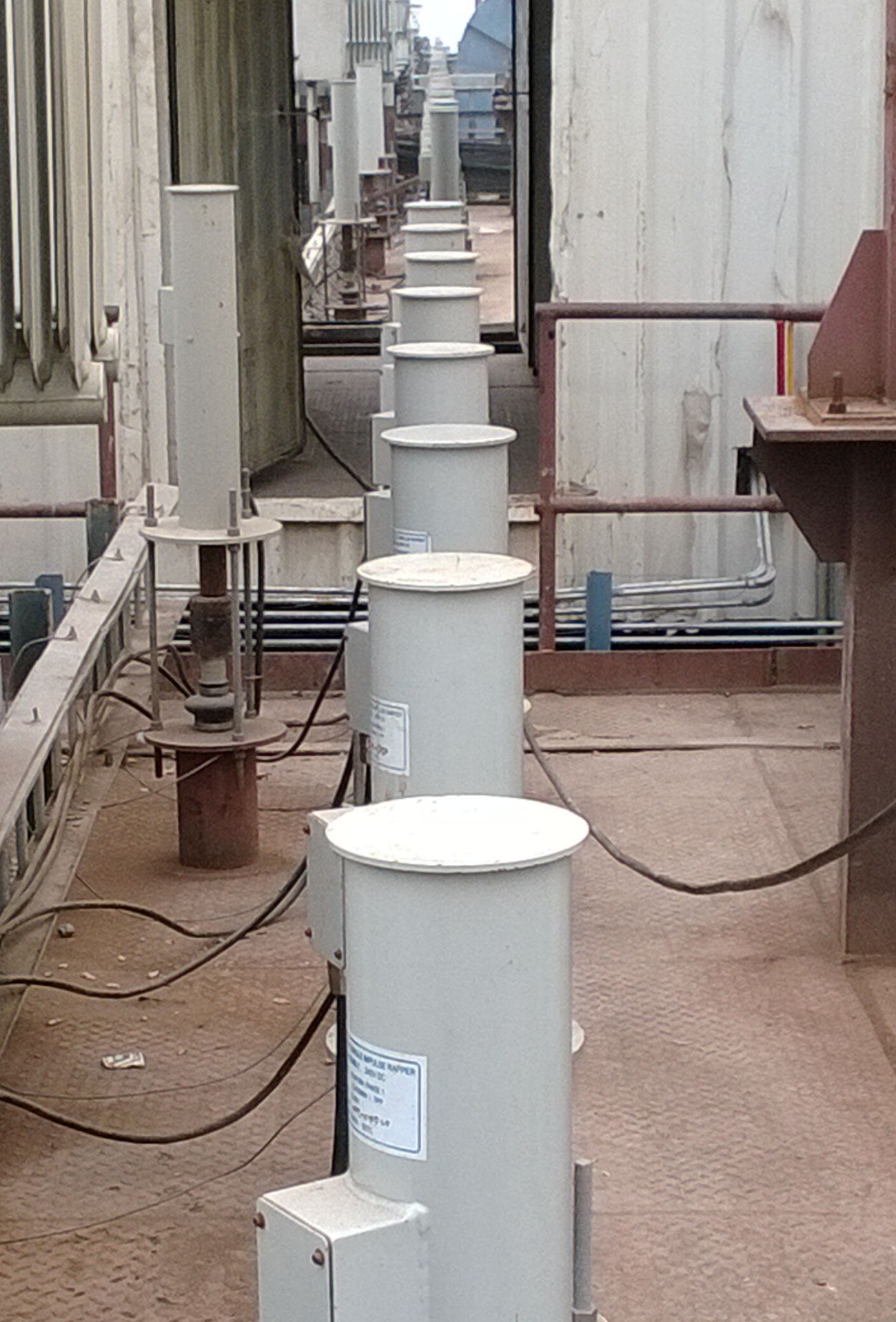
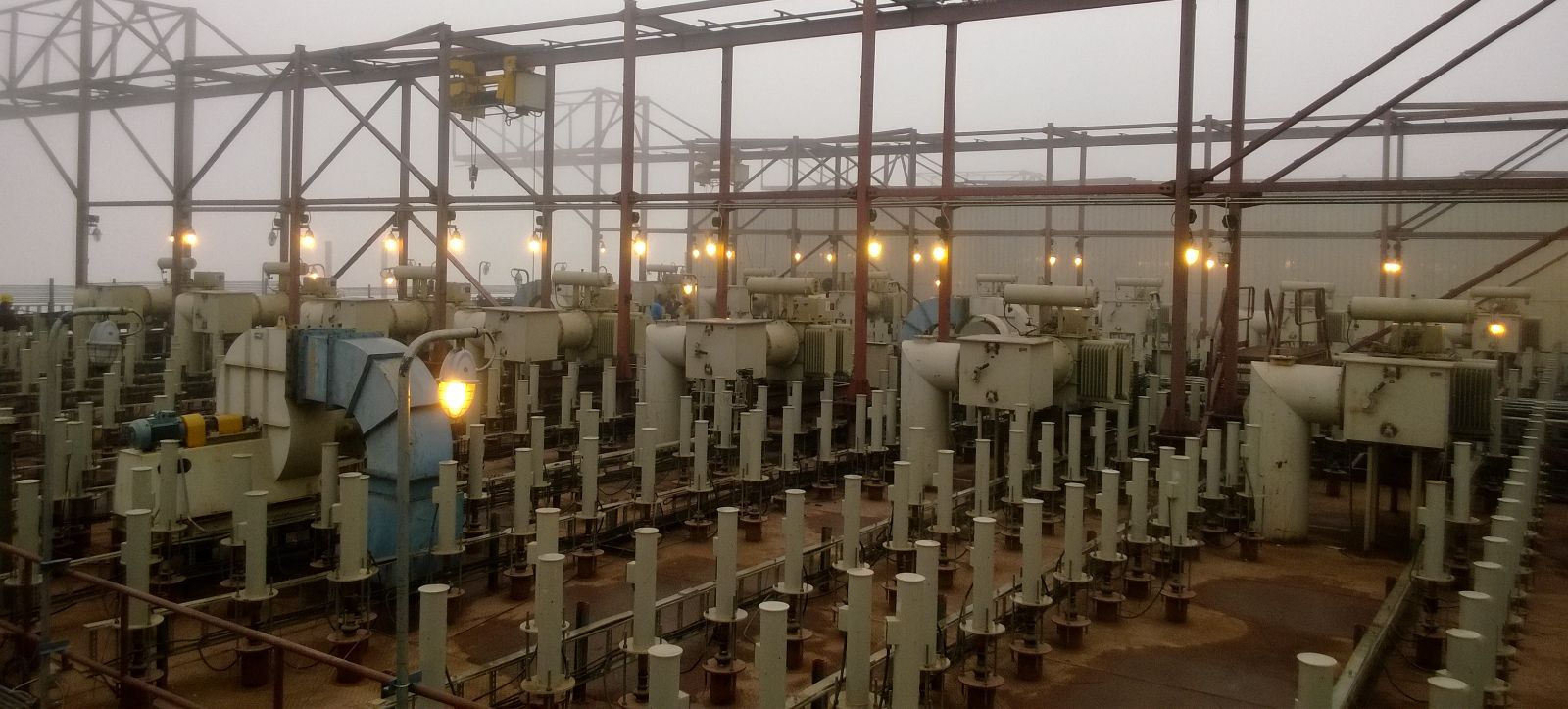
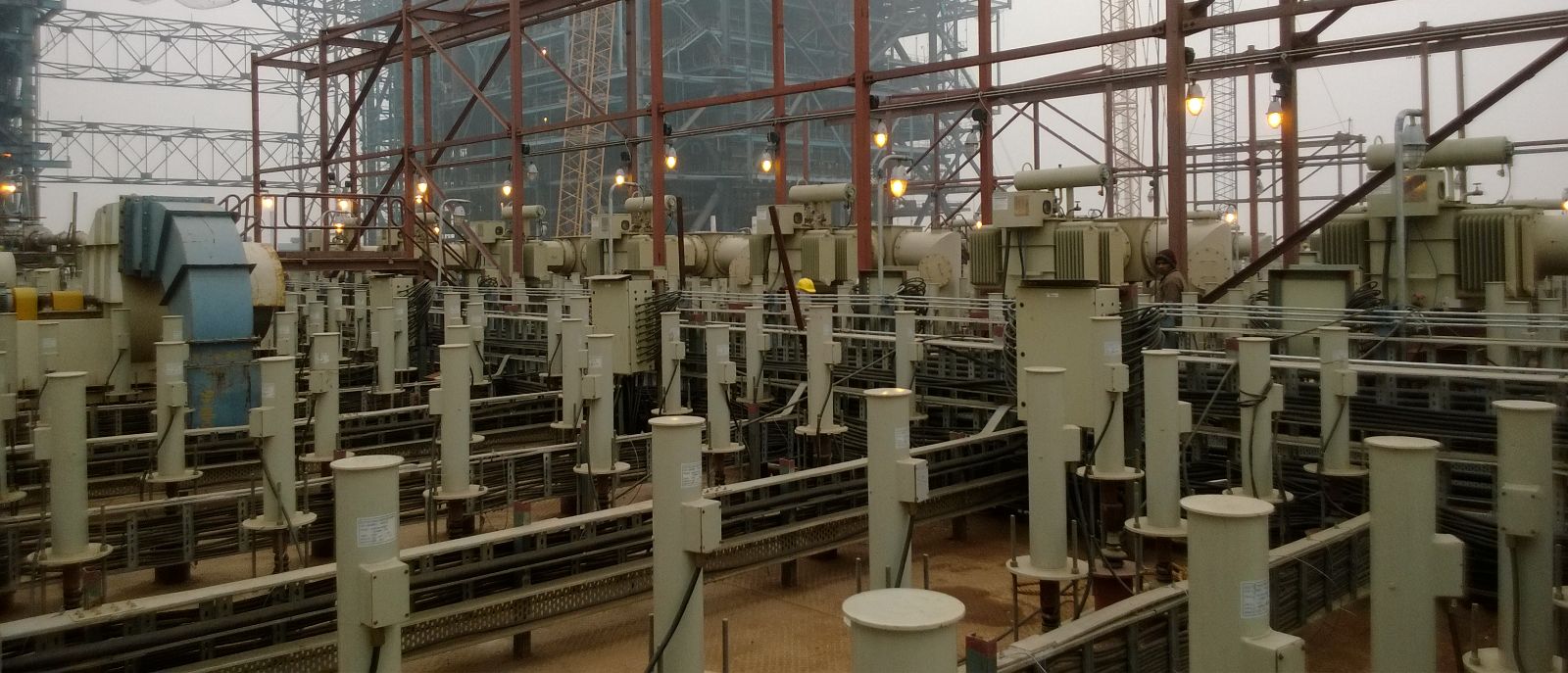
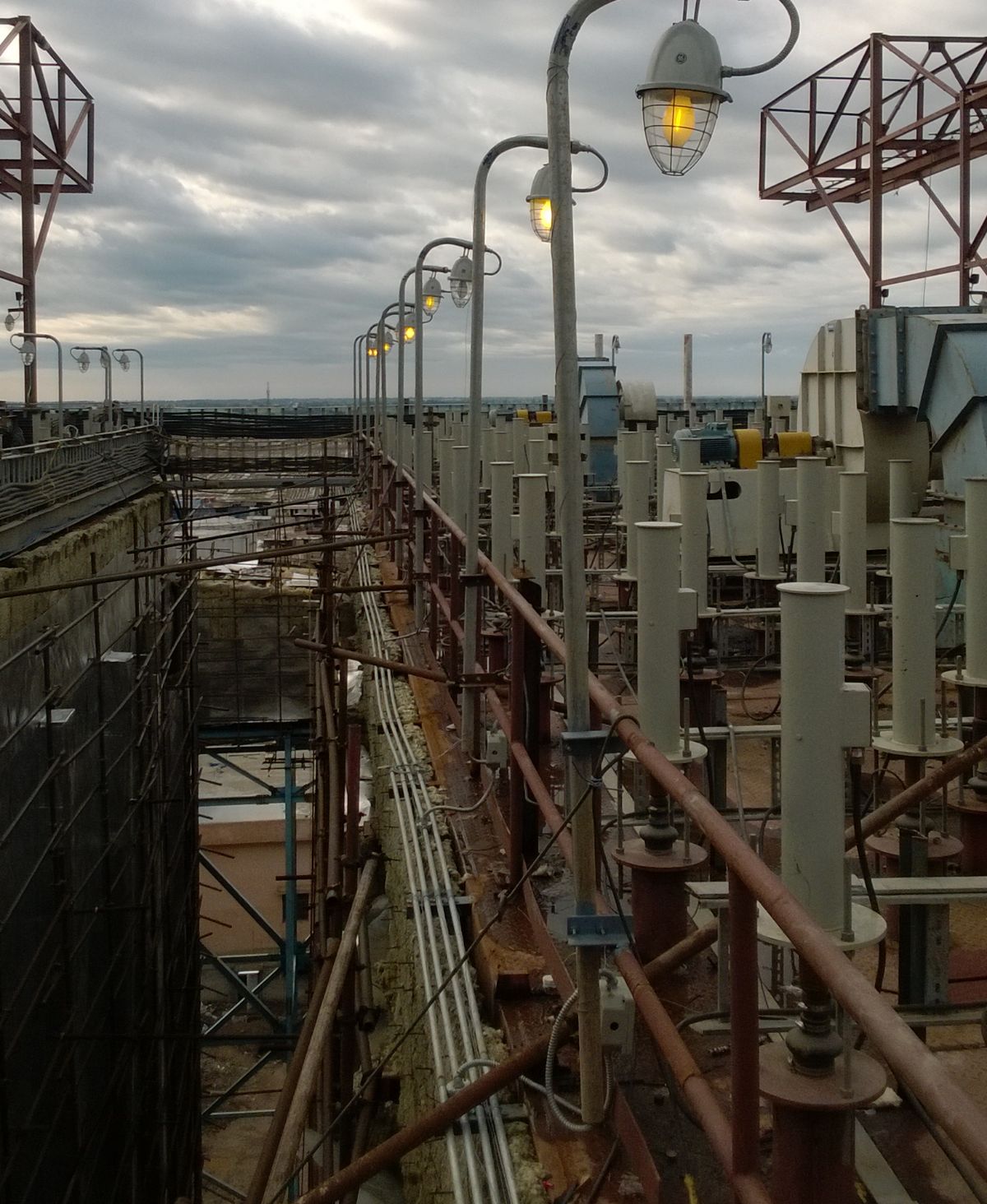
MIGI rapper installations on the roof.
The panel decides how well the rappers work.
A MIGI installation is only as good as its rapping programme. The control panel fires each coil in a defined sequence, at a set intensity and interval, and a programme left at commissioning settings for a decade rarely still matches the dust the plant is making.
Under-rapping leaves an insulating dust layer that suppresses field strength. Over-rapping re-entrains dust that has already been collected — and shows up as a stack reading that worsens immediately after each rap.
Rapper control panels
New panels and replacements for obsolete units, with programmable sequence, intensity and interval per rapper or per group.
Sequence and intensity setting
Rapping programmes set field by field — heavier and more frequent at the inlet, lighter at the outlet to avoid re-entrainment.
Fault indication
Open-circuit and failed-coil indication, so a dead rapper is found from the panel rather than from a rising emission trend.
Integration with ESP controls
Interlocks and signalling to the ESP controller and plant DCS, including power-off rapping at shutdown.
Checked before it goes to the roof.
A rapper coil is buried in a row of identical units on an ESP roof. Finding a weak one after installation costs a shutdown, so the checks belong before despatch.
Test scope and documentation are agreed against the order. Where a customer or OEM specification defines the test regime, that specification governs.
What you are seeing on the plant.
Rapping problems are usually reported as a stack reading or a dead row, not as a coil fault. Tell us the symptom and we work back to the cause.
Symptoms that bring a rapper enquiry.
Start from what the plant is showing you. We work back to the component or the intervention.
Rapper not firing
→Coil continuity check, replacement coil, panel output checkWeak or inconsistent blow
→Plunger and anvil wear inspection, guide and seal conditionDust build-up despite rapping
→Rapping programme review, intensity and interval resetEmission spike after each rap
→Over-rapping assessment, outlet field programme revisionObsolete rapper panel
→Panel replacement retaining the existing coils and rodsAir ingress at the roof
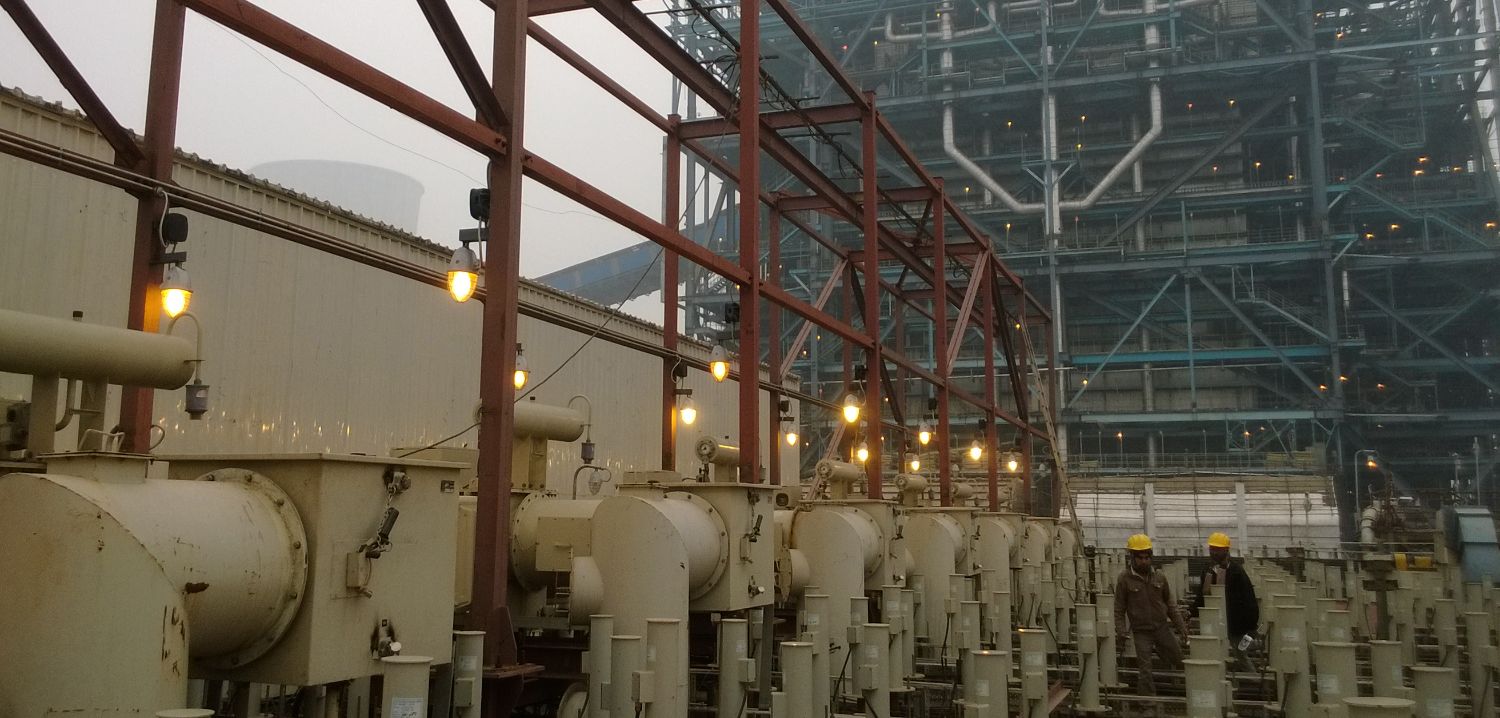
→Rod seal and guide replacementWhere these rappers run.
Send your rapper requirement.
Don't know the coil rating or the rapper model? Send a photograph of the nameplate, the roof arrangement drawing, or simply describe the symptom. Our engineering team will identify the requirement.