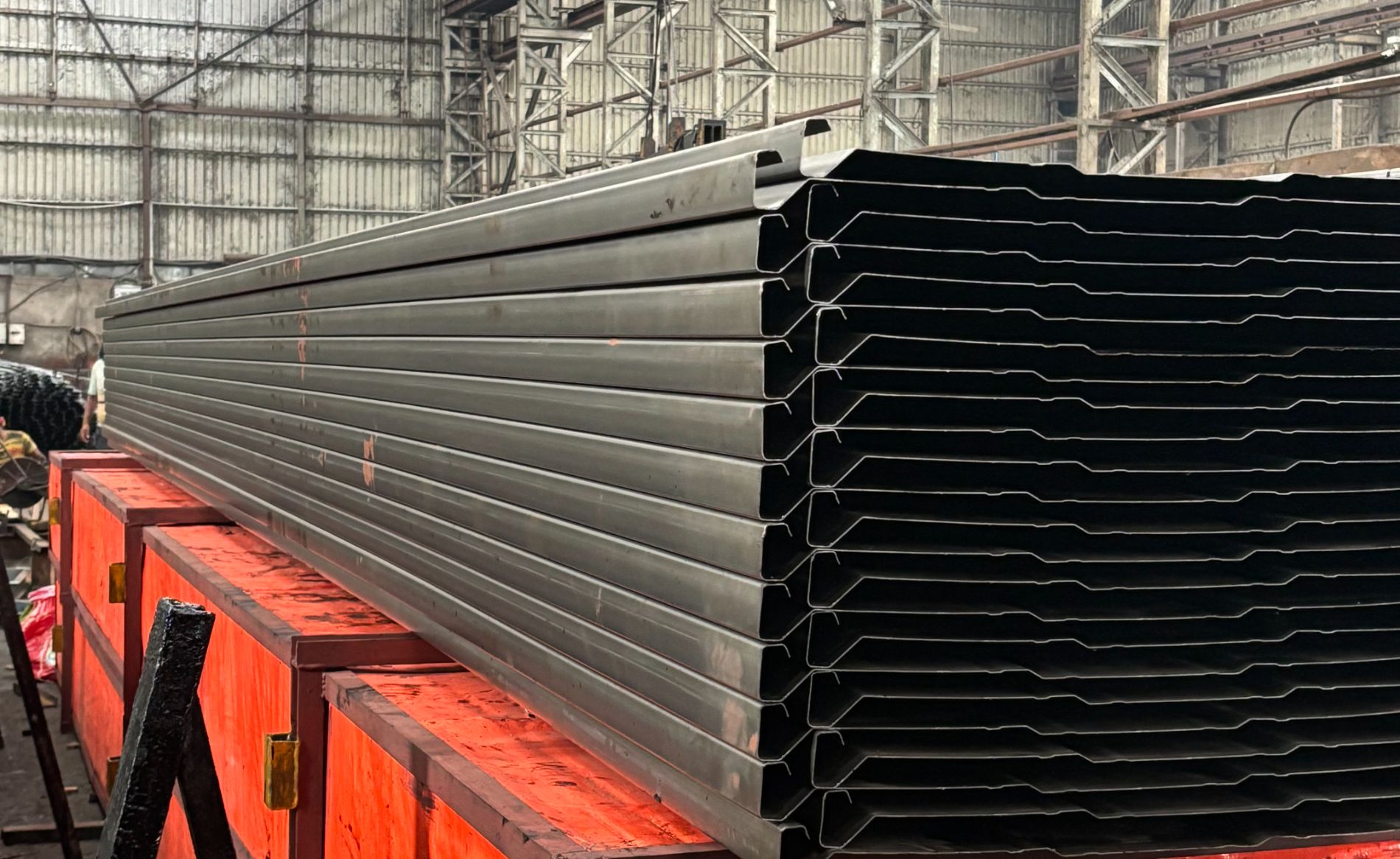
Consistent collecting surfaces, held to dimension.
Aeon Tech Solutions supplies precision-engineered collecting electrodes for Electrostatic Precipitators (ESPs). Our collecting electrodes are designed to provide consistent collecting surfaces, dimensional accuracy, mechanical rigidity and reliable performance under demanding operating conditions.
Collecting electrodes can be manufactured in different profiles, materials, thicknesses and lengths according to ESP design requirements, customer drawings and replacement requirements.
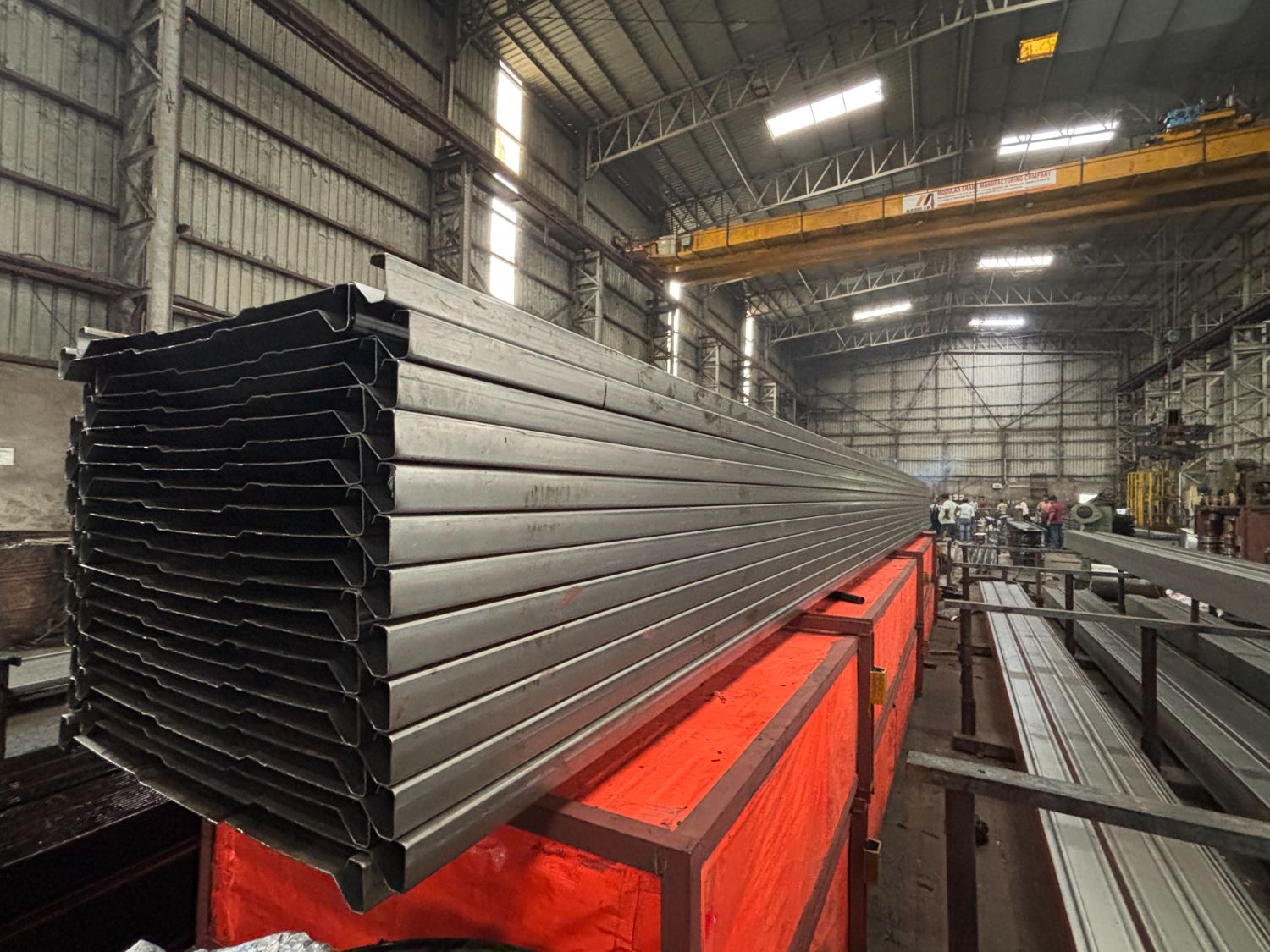
What the collecting electrode does.
The collecting electrode is the earthed surface the dust ends up on. Its profile, flatness and spacing decide how much of the charged particulate is captured, and how cleanly the dust layer releases when the plate is rapped.
Charging. Discharge electrodes energised from the transformer rectifier set ionise the gas around them. Ions attach to passing dust particles.
Migration. The field between the discharge electrodes and the earthed collecting electrodes drives the charged particles sideways, out of the gas stream.
Collection. Particles deposit on the collecting electrode as a dust layer. Profile geometry shields the deposited dust from the gas stream and resists re-entrainment.
Release. Rapping transmits shock through the plate so the dust layer sheds into the hopper. Plate rigidity and straightness govern how evenly that shock travels.
Collecting Electrode Profiles
Collecting electrodes are manufactured in different roll-formed profiles depending on the precipitator design, electrode spacing, mechanical requirements and OEM specifications. The profile determines the collecting area presented to the gas stream, the stiffness of the plate over its free length, and how the dust layer behaves when the plate is rapped.
The profile types below are commonly referenced in the industry and are shown as available reference types for discussion.
Profiles, dimensions and configurations can be manufactured as per customer drawings, OEM specifications and project requirements.
The cross-sections shown are indicative representations of profile families for identification and discussion. Manufactured geometry follows the approved drawing or the sample supplied for a given order.
Specified against your drawing, not a stock list.
Collecting plates are not an off-the-shelf item. Profile, material, thickness and length are set by the precipitator they go into — which is why we work from the drawing, the existing plate, or a photograph and a set of measurements.
Where a specification has been lost, we can work back from a sample or from the field arrangement on site.
Send What You Have →The dimensions we need from you.
Six measurements define a collecting plate closely enough to quote it. If you can give us these — or a plate we can measure — we can proceed without the original drawing.
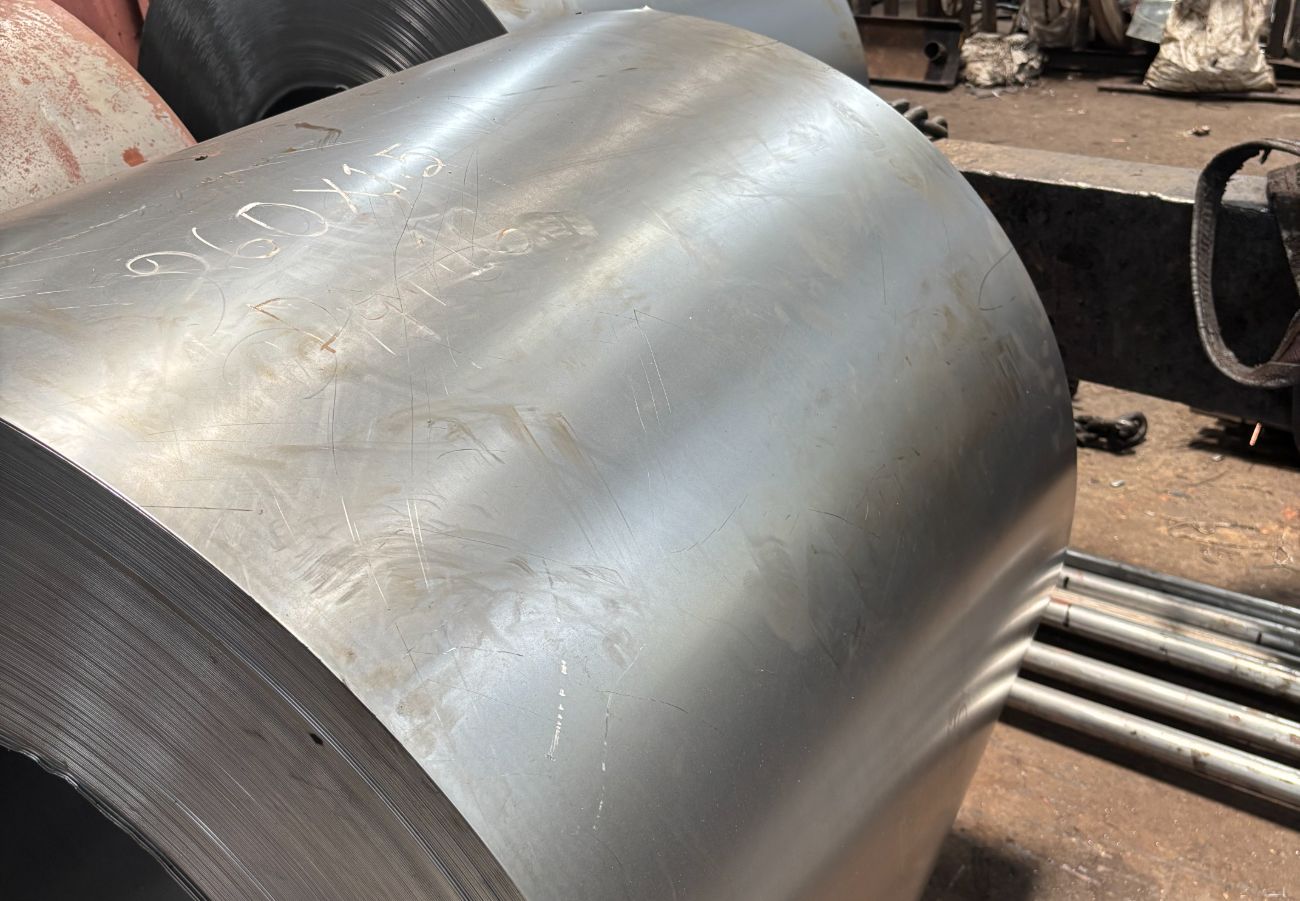
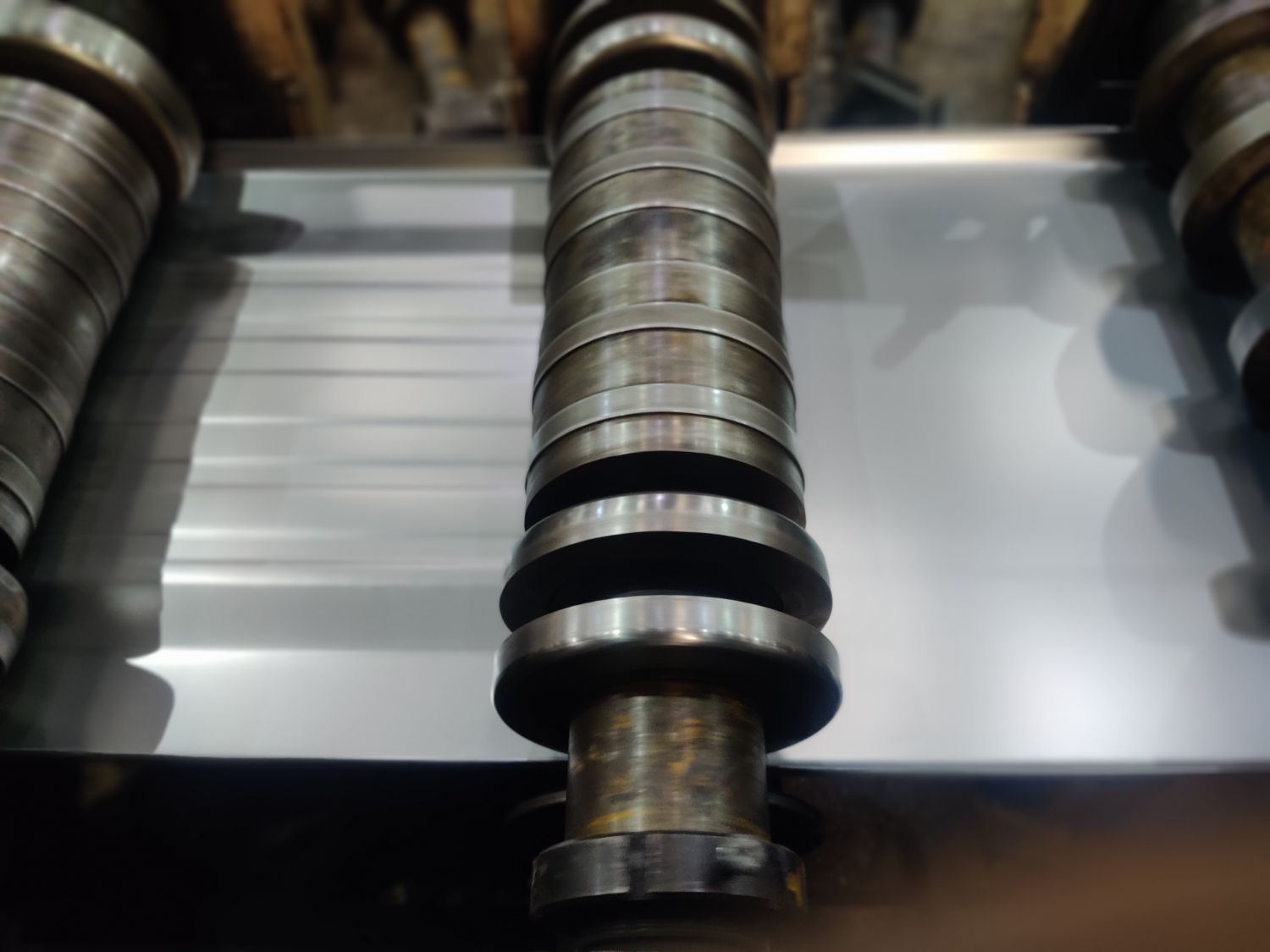
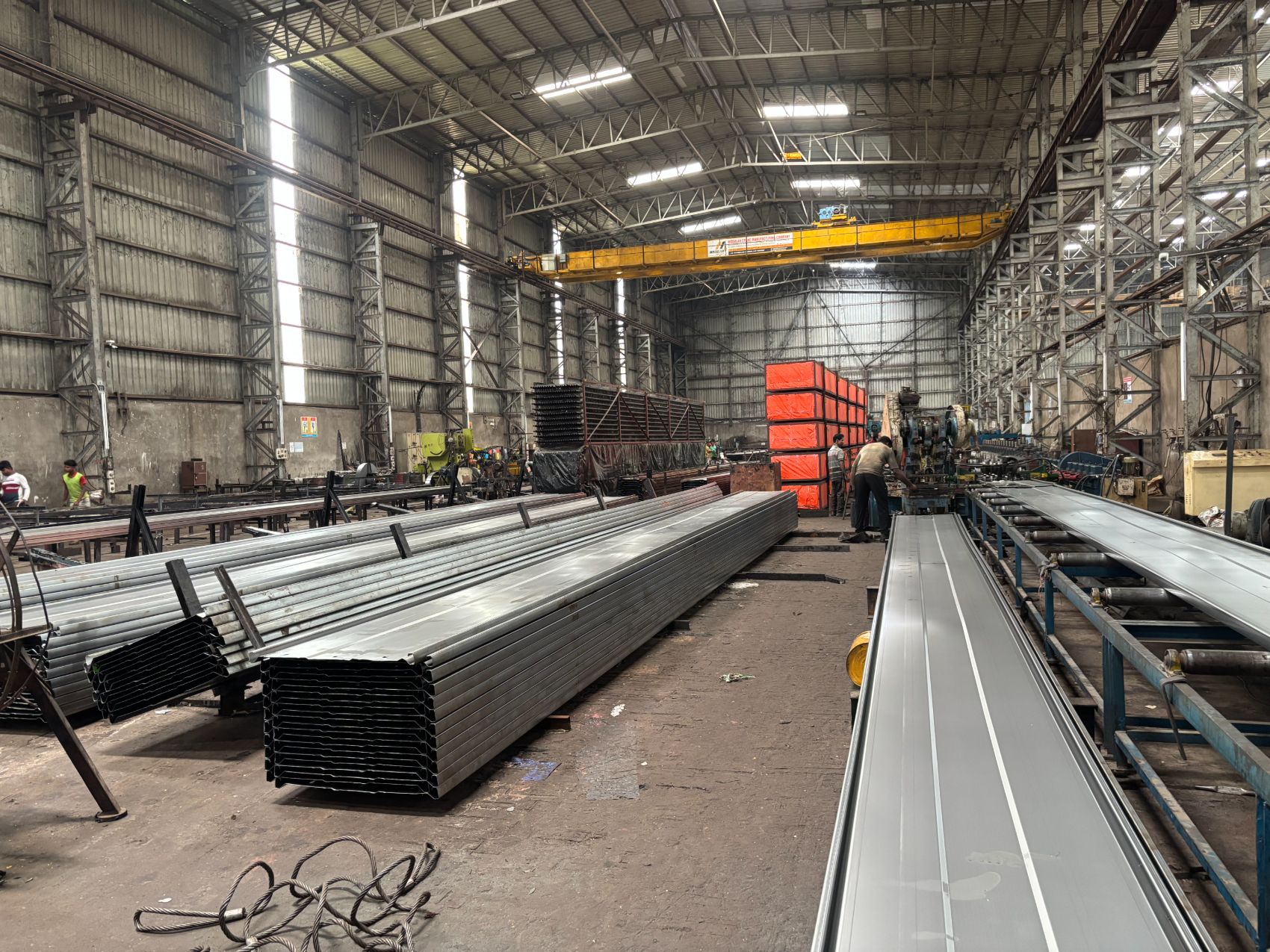
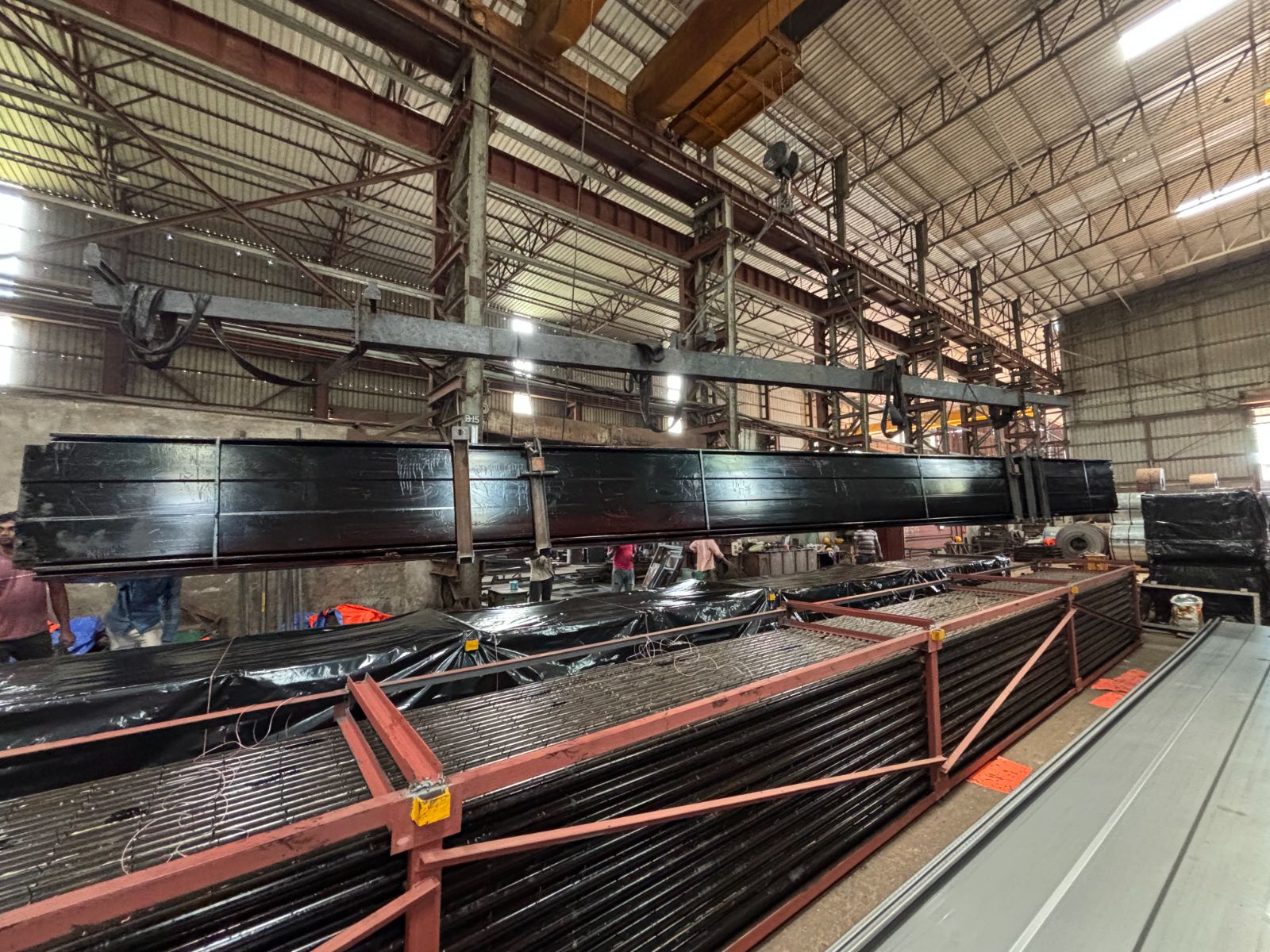
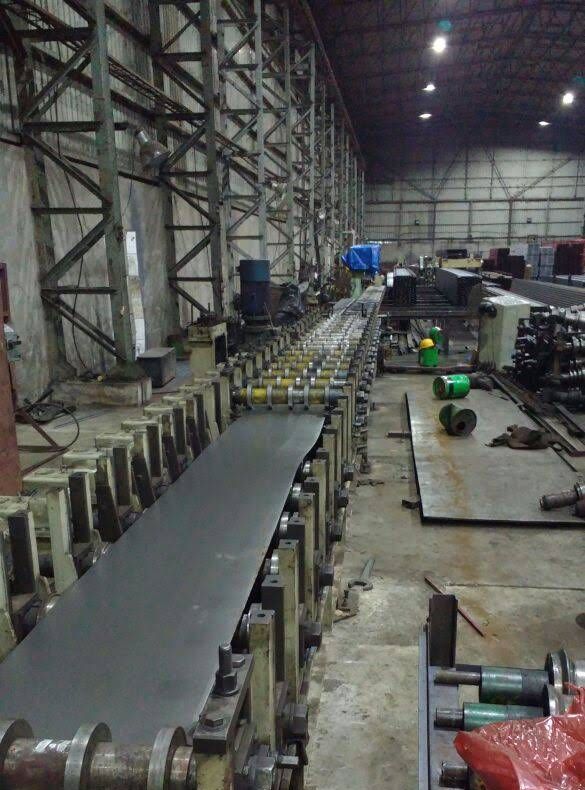
Coil to formed plate, in one line.
Roll forming produces the same section repeatedly along the full plate length. Consistency along the run matters as much as the section itself — a plate that twists or bows will not sit at the designed spacing.
{{ f.t }}
{{ f.d }}
Looking for Replacement Collecting Electrodes?
Whether you require replacement electrodes for an existing ESP or collecting electrodes for a new project, Aeon Tech Solutions can evaluate your requirement based on drawings, existing electrode dimensions, profile samples or photographs.
Send Your Requirement →Request a Collecting Electrode Quote
Fill in what you know. Blank fields are fine — a drawing or a photograph often tells us more than a form does.
Prefer to send it directly? Email salesats@aeontechsolutions.com or message us on WhatsApp.